Museum · Culture · UNESCO
Pergamon Museum
Berlin's museum of monumental ancient architecture on Museum Island, closed for renovation and partly reopening on June 4, 2027.
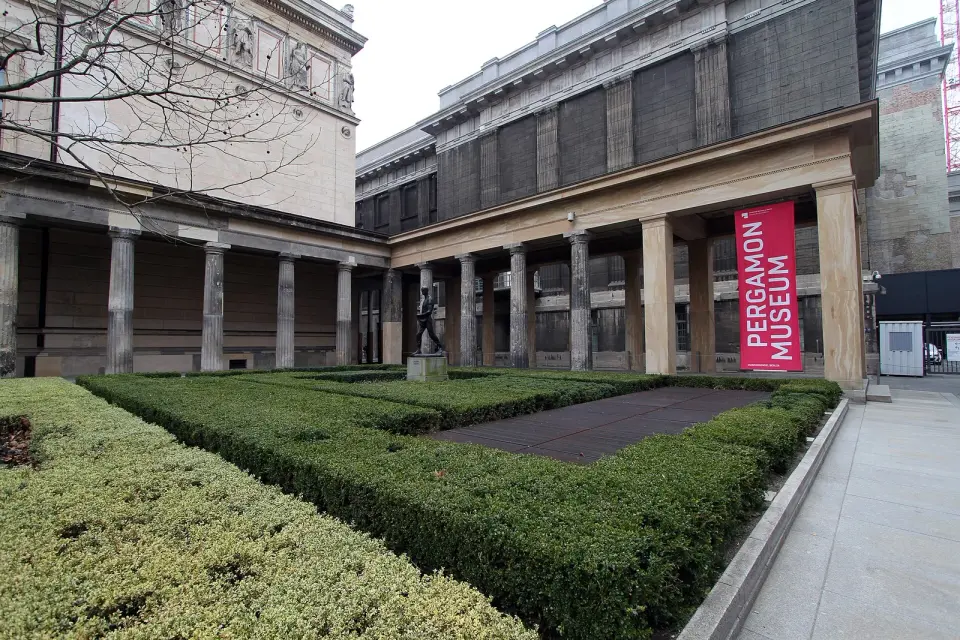
The Pergamonmuseum is the youngest building on Museum Island and was built specifically for exhibits that would not fit into an ordinary museum. It went up between 1910 and 1930 to plans by Alfred Messel, and after his death Ludwig Hoffmann completed the construction. Its three wings enclose a court of honor facing the Kupfergraben canal, and in the halls behind it entire ancient structures were re-erected at full size.
The museum is famous above all for the Pergamon Altar from the 2nd century BC, whose frieze shows the gods battling the giants. Add to that the Market Gate of Miletus, the blue-glazed Ishtar Gate with the Processional Way from Babylon and, in the Museum of Islamic Art, the facade of the Mshatta desert palace and the painted Aleppo Room. Three collections of the Staatliche Museen (State Museums) are shown here: the Collection of Classical Antiquities, the Museum of the Ancient Near East and the Museum of Islamic Art.
Important for your planning: the museum has been completely closed since October 2023 for a comprehensive renovation. According to the State Museums, the north wing and the central section with the Pergamon Altar will reopen on June 4, 2027. The Museum of Islamic Art will then move into the north wing with a newly conceived permanent exhibition, and the Museum of the Ancient Near East will show selected highlights there. The south wing with the Ishtar Gate and the Market Gate of Miletus will stay closed longer, with its reopening planned for around 2037. A new entrance pavilion is being built in the court of honor for the relaunch.
Until then there is an alternative. Across the way at Am Kupfergraben 2, "Pergamonmuseum. Das Panorama" shows a huge panoramic painting of the ancient city of Pergamon together with original sculptures from the collection. The other museums on Museum Island, including the Neues Museum, Altes Museum, Bode-Museum and Alte Nationalgalerie, are open regardless. The nearest stops are the Museumsinsel U-Bahn station and Hackescher Markt S-Bahn station.
Why the museum was built the way it was
At the end of the 19th century, German archaeologists brought large quantities of ancient building parts to Berlin. From 1878 on, Carl Humann had excavated the relief panels of the altar at Pergamon on what is now Turkey’s west coast, and finds from Miletus, Priene and Babylon followed later. The existing museums had no room to display architectural fragments like these. A first, makeshift building for the altar was torn down again as early as 1908 because its foundations could not bear the load.
That is why the present building was planned around the large objects from the very start. The halls are unusually high, and the walls were laid out so that entire facades could be reassembled in front of them. It opened in 1930 for the centenary of the Berlin museums. During World War II the frieze panels were stored in bunkers, and after the war the Red Army took them to the Soviet Union. They came back in 1958, and a year later the altar hall reopened.
The provenance of many objects is now the subject of critical debate. Some excavations took place on the basis of agreements with the Ottoman Empire to divide the finds, on terms that look unequal from today’s perspective. The Staatliche Museen (State Museums) now address these questions in their exhibitions too.
Renovation in stages
The comprehensive renovation of the Pergamonmuseum is part of the Museum Island Master Plan, which has been renovating all the buildings one after another since the late 1990s. At this museum the work is being done in two construction phases.
- Phase A (north wing and central section): Under way since 2013, structurally completed at the end of 2025. Installation of the exhibitions follows. Reopening is planned for June 4, 2027.
- Phase B (south wing): Follows afterward. Only then will the Ishtar Gate, the Processional Way and the Market Gate of Miletus be on view again, around 2037 according to current plans.
- Fourth wing: A new wing facing the Kupfergraben canal is to close off the courtyard. That will make a continuous tour through all the monumental architecture possible, complemented by the “Archaeological Promenade,” which is to link the buildings on the island underground.
All dates come from the Staatliche Museen zu Berlin (as of October 2026). With major projects like this, schedules can change, so check the latest status on smb.museum shortly before your trip.
Planning your visit while the museum is closed
If you are coming to Berlin now and are interested in antiquity, you still have good options.
- Pergamonmuseum. Das Panorama: In a separate round building opposite the island, the artist Yadegar Asisi shows the ancient city of Pergamon in the year 129 AD as a walk-in 360-degree picture. Selected original sculptures from the Collection of Classical Antiquities are displayed alongside it.
- Altes Museum: Here the Collection of Classical Antiquities shows Greek, Etruscan and Roman art.
- Neues Museum: Egypt, prehistory and early history, and parts of the Collection of Classical Antiquities.
- James-Simon-Galerie: The island’s visitor center offers information, tickets and a good view of the construction site.
The U5 stops at Museumsinsel station, and the S-Bahn at Hackescher Markt and Friedrichstraße. Streetcars M1 and 12 run to Am Kupfergraben, right in front of the Panorama.
Tips for the reopening
- Expect high demand in the first months after June 4, 2027. Booking timed-entry tickets online will probably be unavoidable then.
- Plan your visit so you can add a second museum on the island. A Museum Island area ticket often costs less than individual tickets.
Nearby
Besides the Pergamonmuseum, Museum Island is home to the Neues Museum, the Bode-Museum and the Alte Nationalgalerie. Across the Lustgarten stand the Berliner Dom and the Humboldt Forum. Over the Monbijoubrücke you reach the Hackesche Höfe.
Frequently asked
What to know about Pergamon Museum
Is the Pergamon Museum open?
No. The building has been closed for renovation since October 2023. The State Museums plan to reopen the north wing and central section with the Pergamon Altar on June 4, 2027 (as of October 2026).
When can you see the Ishtar Gate again?
The Ishtar Gate is in the south wing, which will remain closed even after June 2027. Under current plans it is set to reopen around 2037.
Is there an alternative during the closure?
Yes. "Pergamonmuseum. Das Panorama" at Am Kupfergraben 2 shows a 360-degree panorama of the ancient city of Pergamon and original sculptures from the Collection of Classical Antiquities. Check times and prices with the State Museums in advance.
Nearby & related
Pairs well with this
More attractions that combine nicely with a visit to Pergamon Museum.
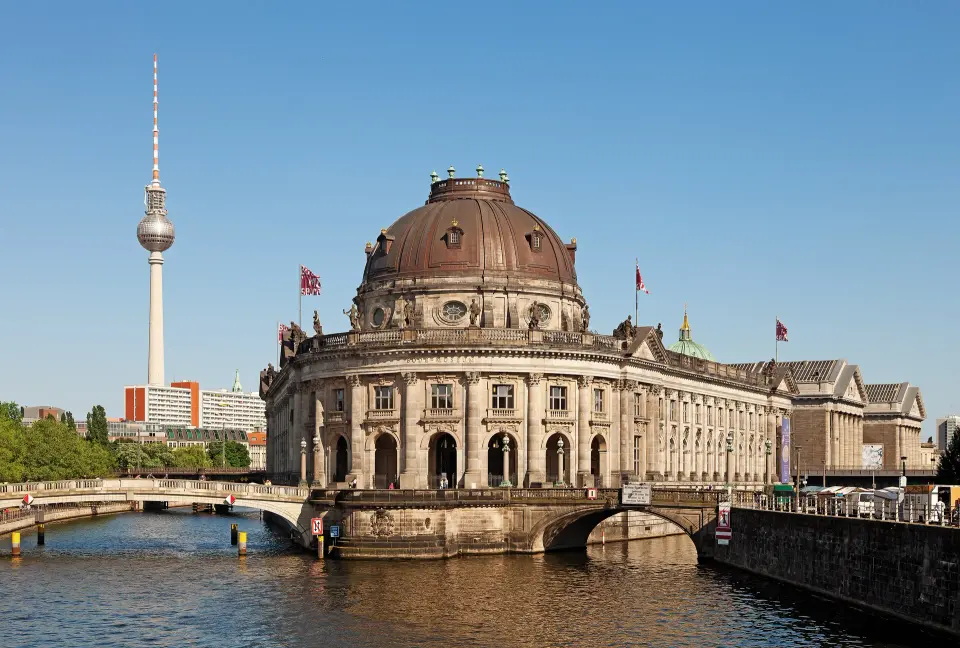
Museum Island
Five world-famous museums on an island in the Spree, a UNESCO World Heritage Site since 1999.
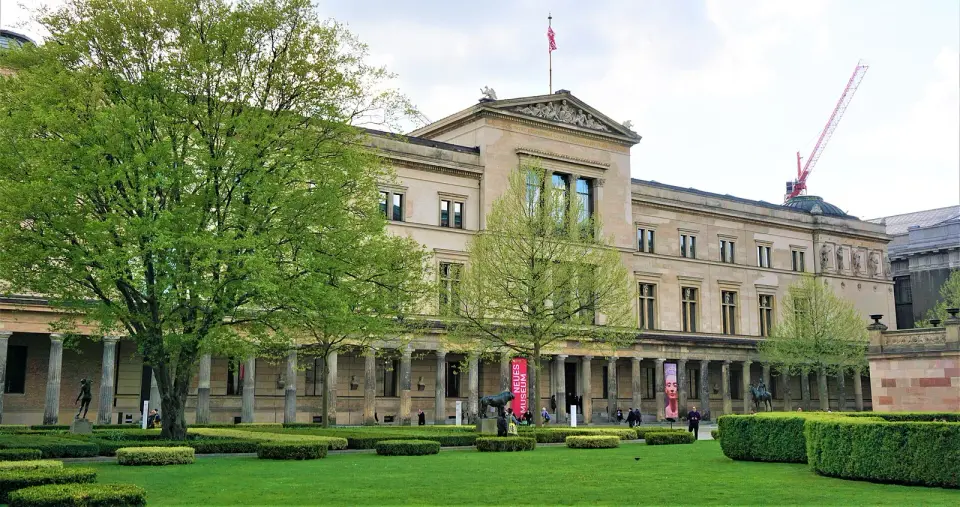
Neues Museum
Home of Nefertiti and the Egyptian collection, a Stüler building that David Chipperfield brought back from its wartime ruin.
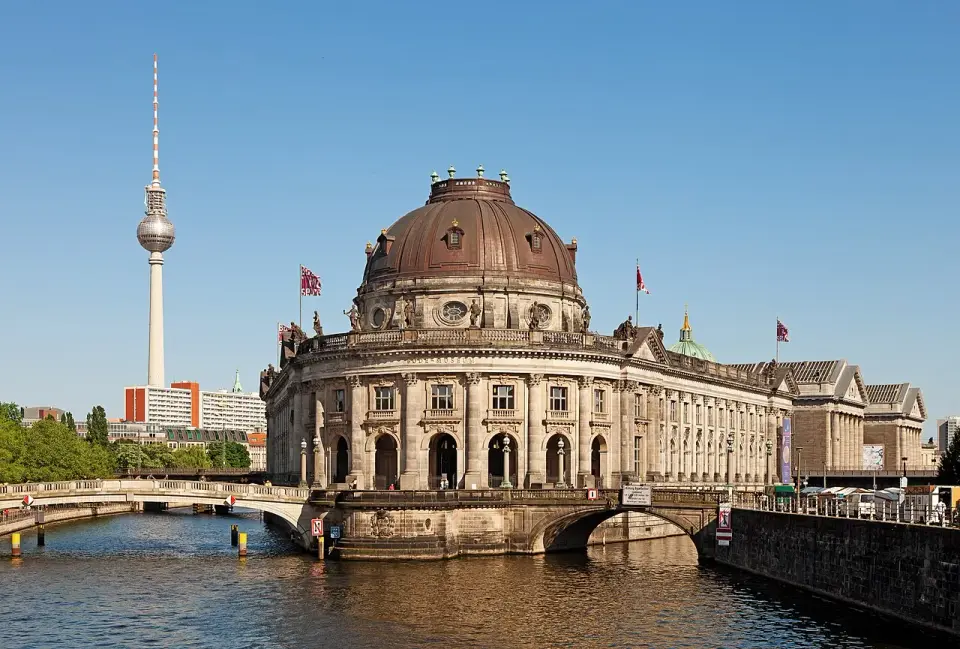
Bode Museum
A neo-Baroque museum with a striking dome at the northern tip of Museum Island, home to the sculpture collection, Byzantine art and the coin cabinet.
More in Mitte
More attractions in Mitte
Other highlights in the same district that pair well with a visit to Pergamon Museum.
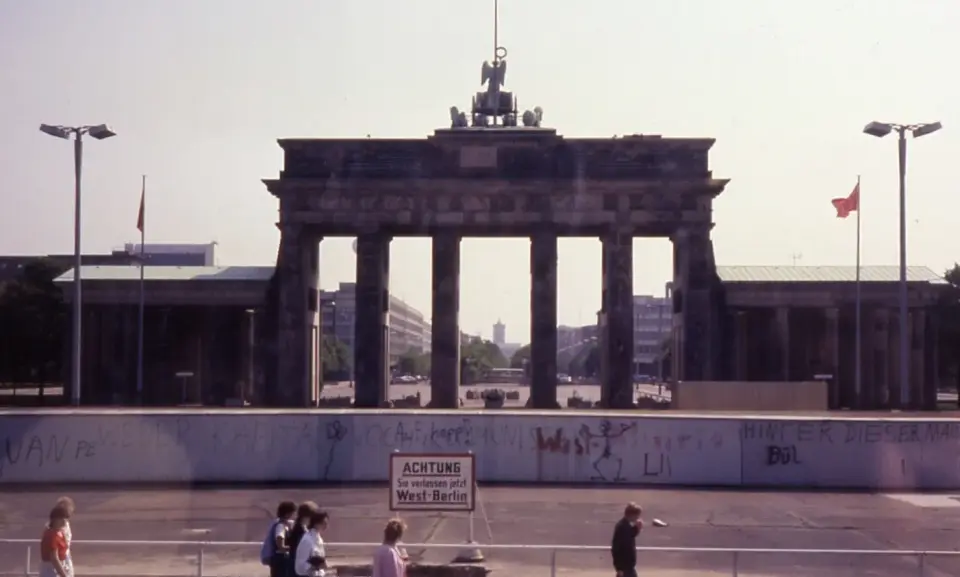
Brandenburg Gate
Berlin's most famous landmark on Pariser Platz, transformed from a symbol of division into a symbol of unity.
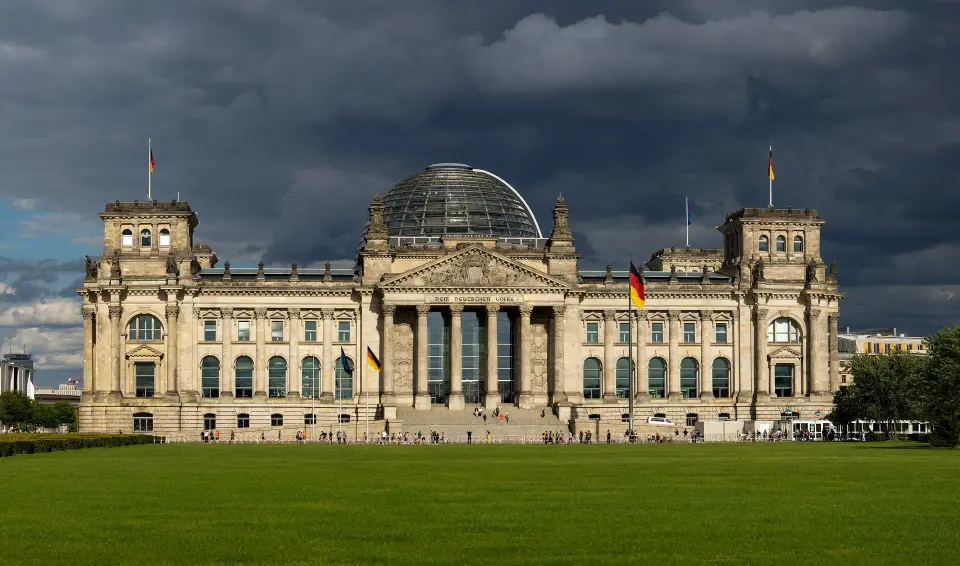
Reichstag Building
Seat of the German Bundestag, with a walk-up glass dome by Norman Foster and views over the government quarter.
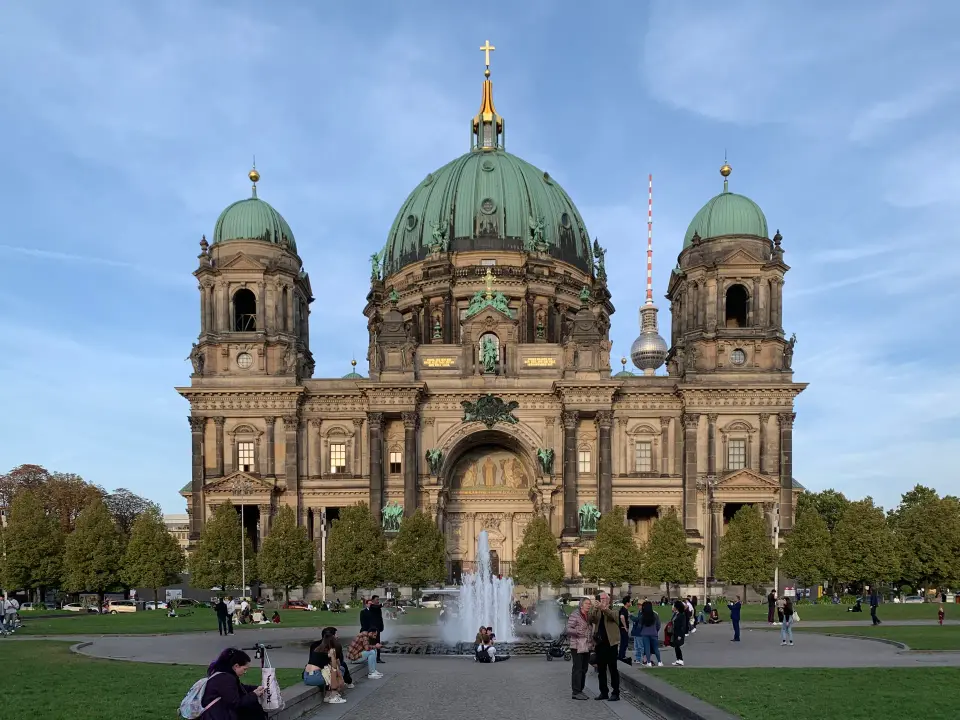
Berlin Cathedral
A monumental Protestant church on the Lustgarten with a walk-up dome and views over Museum Island.
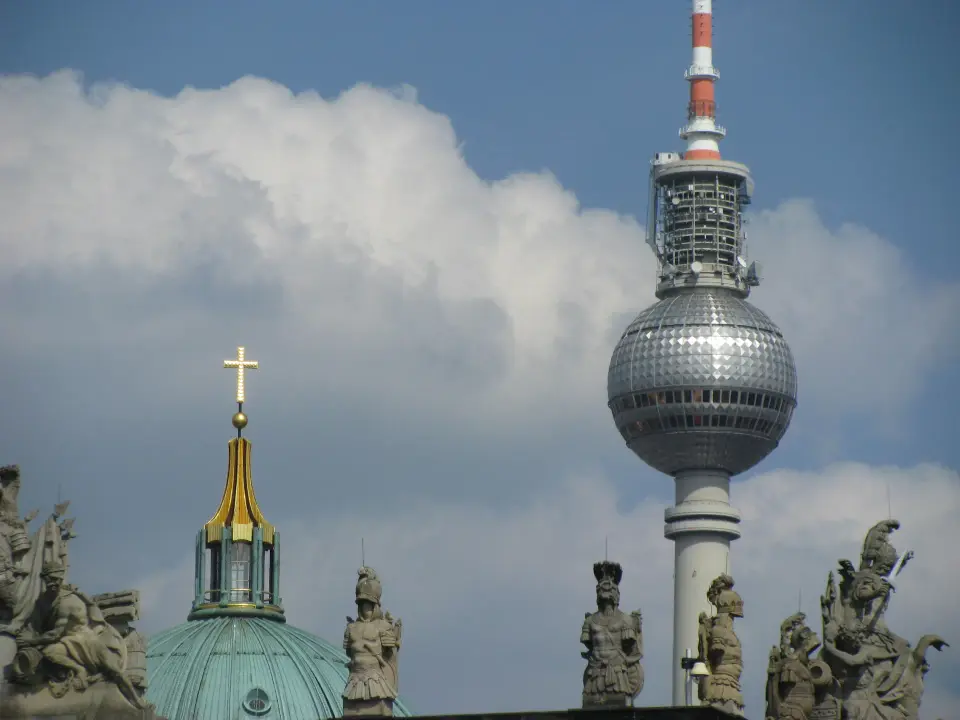
Berlin TV Tower
At 368 meters the tallest structure in Germany, with an observation deck and a revolving restaurant.
Stay in the neighborhood
Find hotels in Mitte
Planning a visit to Pergamon Museum? Here you'll find places to stay in the Mitte district.