Museum · Culture · UNESCO
Neues Museum
Home of Nefertiti and the Egyptian collection, a Stüler building that David Chipperfield brought back from its wartime ruin.
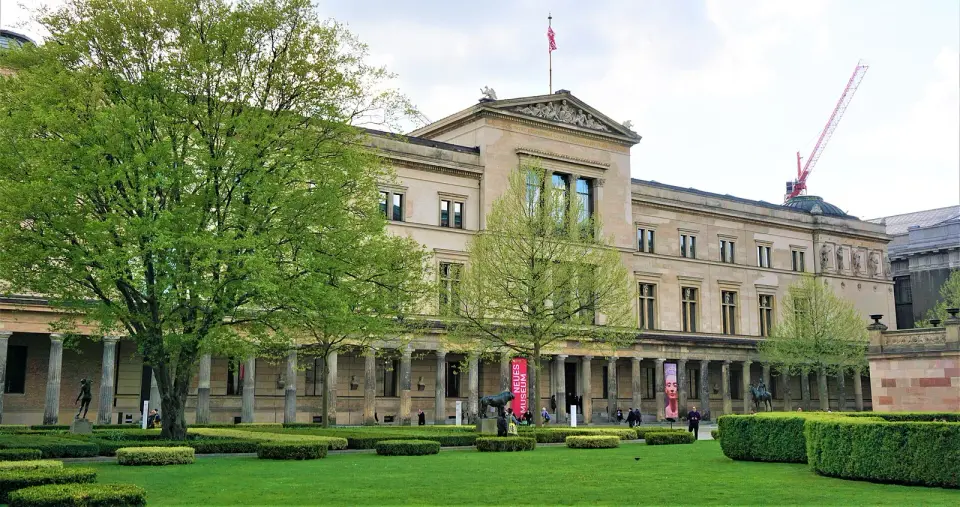
The Neues Museum on Museum Island is best known as the home of Nefertiti. The painted limestone bust of the Egyptian queen, about 3,300 years old, was found in 1912 during a German excavation at Amarna and is still the single best-known object in Berlin's museums. It stands in its own domed hall, surrounded by the Egyptian Museum and the Papyrus Collection, which take up a large part of the building.
The building itself is just as worth seeing. Friedrich August Stüler built it between 1843 and 1855 as the island's second museum, with richly painted halls whose decoration was matched to their collections. It was badly hit in World War II and then stood as a ruin for decades. Only from 2003 onward was it restored to plans by the British architect David Chipperfield, reopening in October 2009. Chipperfield did not simply reconstruct the old state but added plain new elements to the surviving remains. Bullet holes, faded murals and raw brick surfaces remain visible. The central staircase, now made of pale cast concrete, is especially impressive.
Besides Egypt, the building houses the Museum of Prehistory and Early History, with finds from the Stone Age to the Middle Ages. Highlights include the Berlin Gold Hat from the Bronze Age and the section on Heinrich Schliemann's excavations at Troy.
It is open Tuesday through Sunday from 10 a.m. to 6 p.m. and closed on Mondays (as of October 2026, please check smb.museum beforehand). The entrance is in the James-Simon-Galerie on Bodestraße. Booking a timed ticket online makes sense, since this is one of the most popular museums on the island. The nearest stations are Museumsinsel on the U-Bahn and the Hackescher Markt and Friedrichstraße S-Bahn stations.
A building as a technical experiment
When Friedrich August Stüler planned the Neues Museum, it was a prestige project of the Prussian king Friedrich Wilhelm IV, who wanted to develop the island behind the Altes Museum into a “sanctuary for art and science.” The building was technically ambitious too. Because the ground by the Spree was marshy, it rests on thousands of wooden piles. For the ceilings, Stüler relied on lightweight structures of cast iron and hollow clay elements, and one of the first steam engines in Berlin was used on the construction site to drive piles and lift materials.
Inside, Stüler created a total work of art. Every hall was given painted decoration matching the theme of its collection: Egyptian landscapes in the Egyptian Courtyard, motifs from Norse sagas in the Fatherland Hall, Greek scenes among the plaster casts of antiquity. In World War II bombs destroyed the main staircase, the northwest wing and the south dome hall. Afterward the ruin stood unsecured in East Berlin for decades, and wind and weather kept wearing away at what was left. Rebuilding only got going after reunification.
Understanding Chipperfield’s approach
The reconstruction was fiercely debated. Part of the public wanted a faithful reconstruction, but David Chipperfield and the restorer Julian Harrap chose a different path. Surviving wall paintings, floors and columns were secured and left as time had left them. Missing parts were not repainted but filled in with neutral materials: recycled handmade bricks from demolished buildings, pale concrete, smooth plaster. That way you can tell in every room what is original and what is new.
On your way around, pay particular attention to these spots:
- The staircase hall: The central space is new, but it follows the lost original in scale and direction. From here you can grasp the structure of the whole building.
- The Greek Courtyard: The frieze on the walls survives only in parts. The gaps remain visible.
- The Egyptian Courtyard: Chipperfield placed a modern insertion in the open courtyard that carries the exhibition on several levels.
- The dome halls: Nefertiti stands in the north dome hall, and the south dome hall was given a new vault.
Planning your visit
The Neues Museum is one of the most visited museums on the island, so a timed-entry ticket is the best choice, especially on weekends and during school vacations. It is usually quietest right at opening time at 10 a.m. or in the last hour before closing. Egypt and Nefertiti alone need a good hour. If you also want to look closely at prehistory and early history, plan on three hours.
You enter through the James-Simon-Galerie, where you will find tickets, the cloakroom and lockers. The U5 stops at Museumsinsel station, a few minutes’ walk away. Coming by S-Bahn, get off at Hackescher Markt or Friedrichstraße. According to the museum, parts of the building are currently not step-free because of broken elevators. If you rely on elevators, check ahead.
Tips
- Take your time with Nefertiti, but do not leave the hall right away. Next to her are portrait heads from the same workshop in Amarna that show how the bust was made.
- The Berlin Gold Hat stands in a darkened room on the upper floor, and it is easy to miss.
- A Museum Island ticket pays off if you visit a second museum on the same day.
Nearby
Right next door are the Pergamonmuseum, which partly reopens from June 2027, and the Alte Nationalgalerie. At the tip of the island stands the Bode-Museum. Across the Lustgarten, the Berliner Dom and the Humboldt Forum await you. For an overview of all the museums, see our page on Museum Island.
Frequently asked
What to know about Neues Museum
Where is the bust of Nefertiti?
In the Neues Museum on Museum Island, in its own domed hall on the upper floor. Photography is not allowed in this room.
Where is the entrance to the Neues Museum?
Visitors enter through the James-Simon-Galerie on Bodestraße, which has a direct passage into the Neues Museum.
Who rebuilt the Neues Museum?
The British architect David Chipperfield, together with the restoration specialist Julian Harrap. After standing empty as a ruin for decades, the building reopened in October 2009.
Nearby & related
Pairs well with this
More attractions that combine nicely with a visit to Neues Museum.
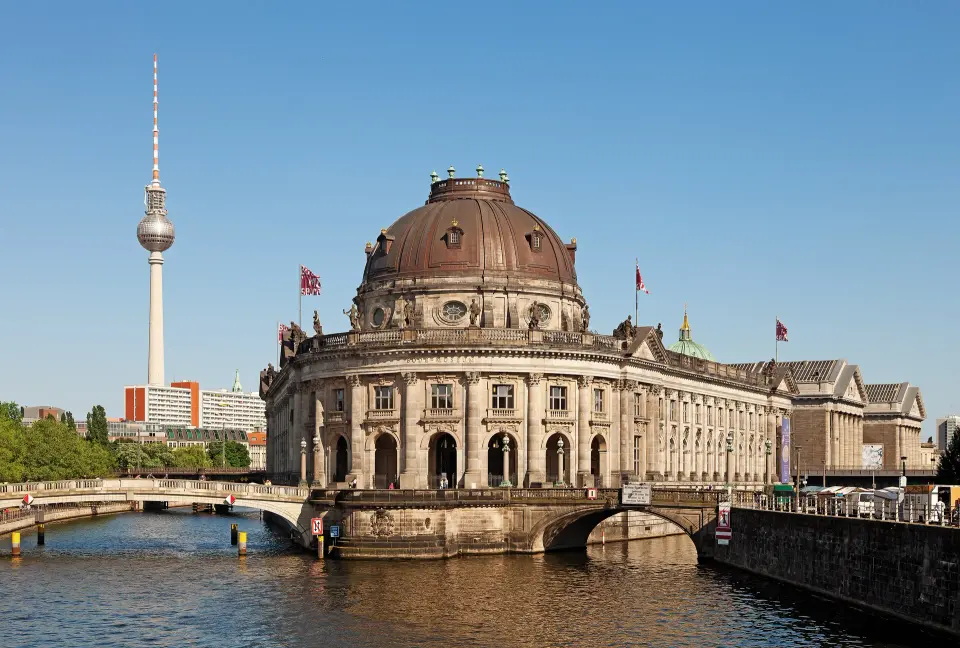
Museum Island
Five world-famous museums on an island in the Spree, a UNESCO World Heritage Site since 1999.
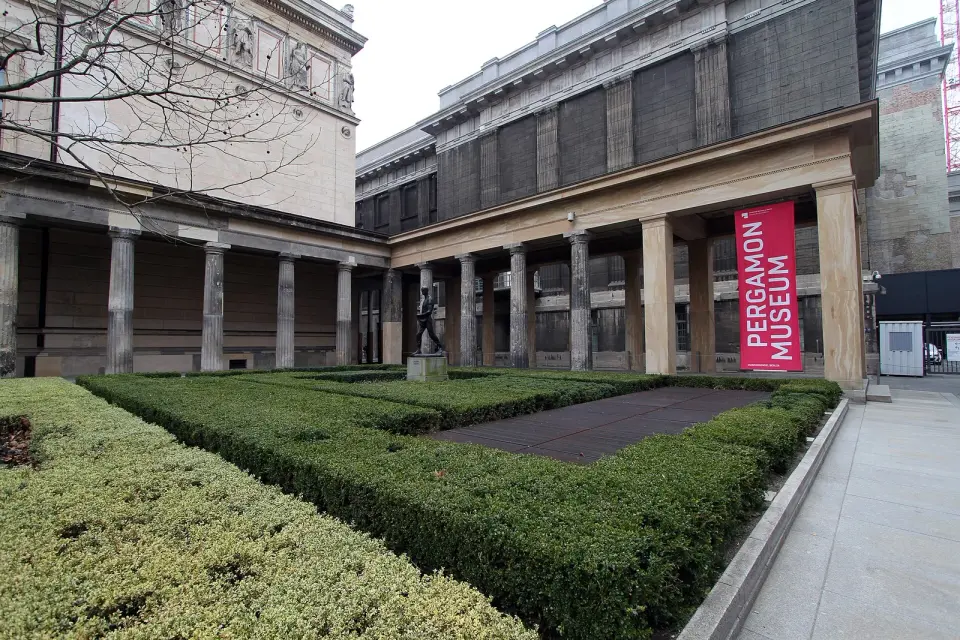
Pergamon Museum
Berlin's museum of monumental ancient architecture on Museum Island, closed for renovation and partly reopening on June 4, 2027.
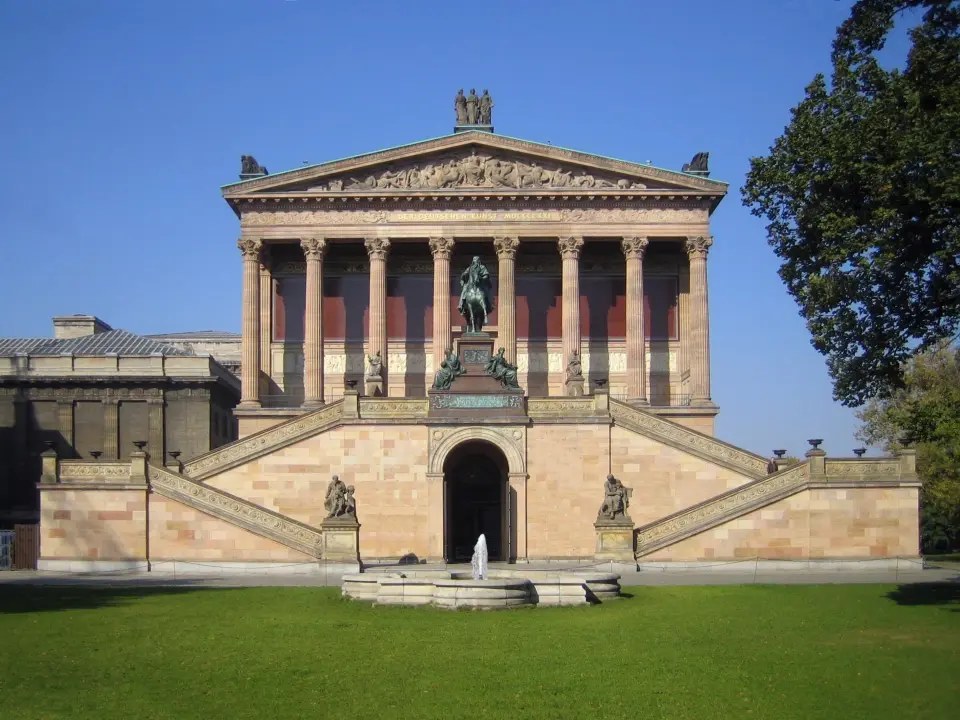
Alte Nationalgalerie
A temple-like museum on Museum Island with 19th-century art, from Caspar David Friedrich to the French Impressionists.
More in Mitte
More attractions in Mitte
Other highlights in the same district that pair well with a visit to Neues Museum.
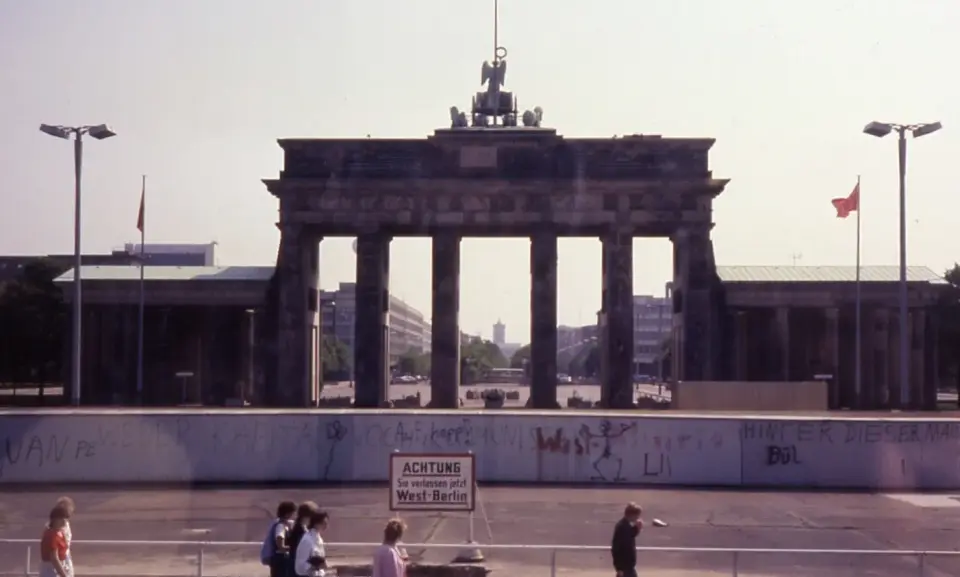
Brandenburg Gate
Berlin's most famous landmark on Pariser Platz, transformed from a symbol of division into a symbol of unity.
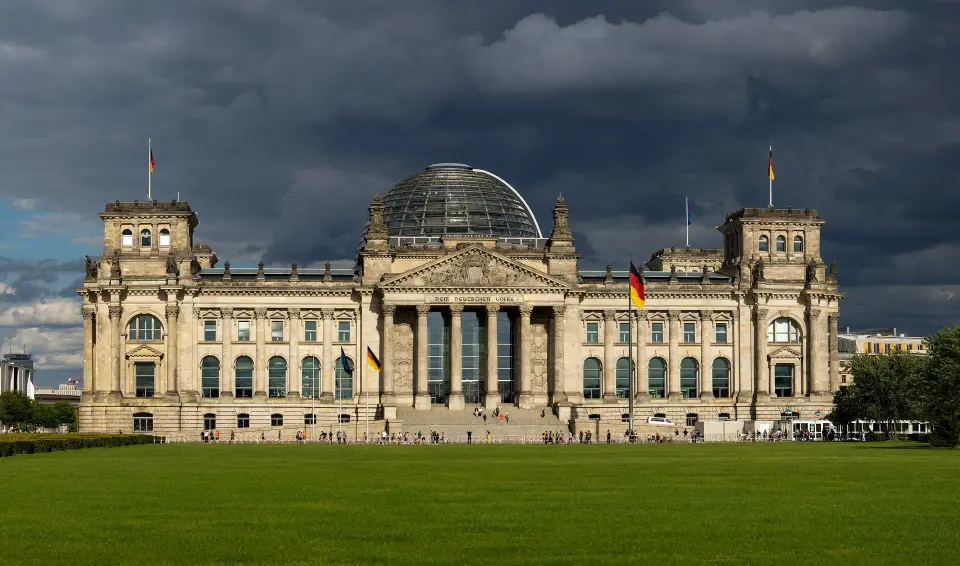
Reichstag Building
Seat of the German Bundestag, with a walk-up glass dome by Norman Foster and views over the government quarter.
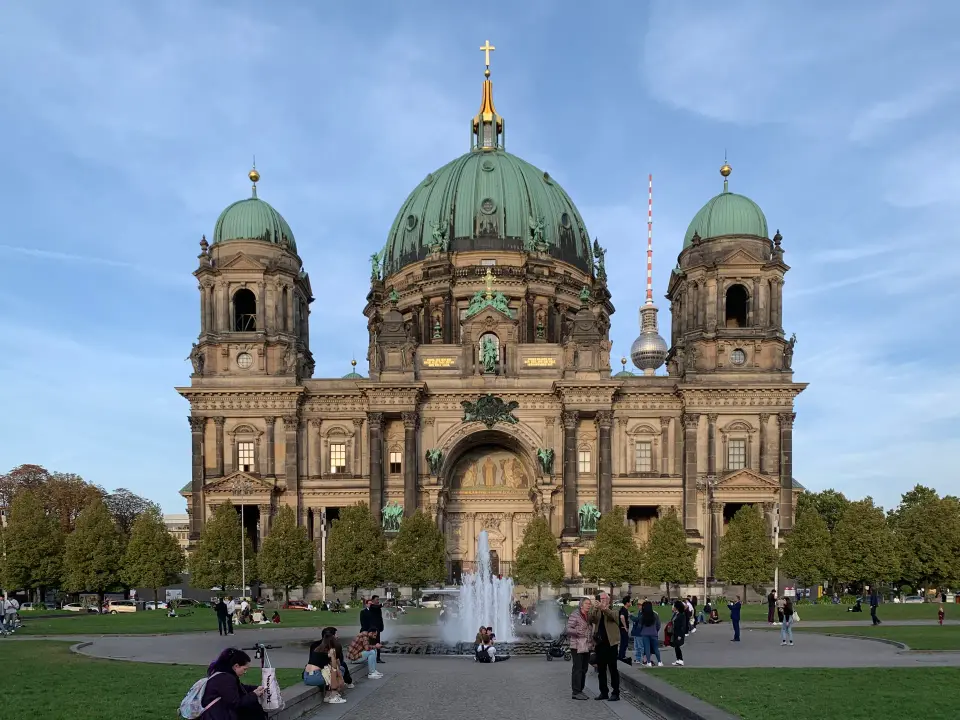
Berlin Cathedral
A monumental Protestant church on the Lustgarten with a walk-up dome and views over Museum Island.
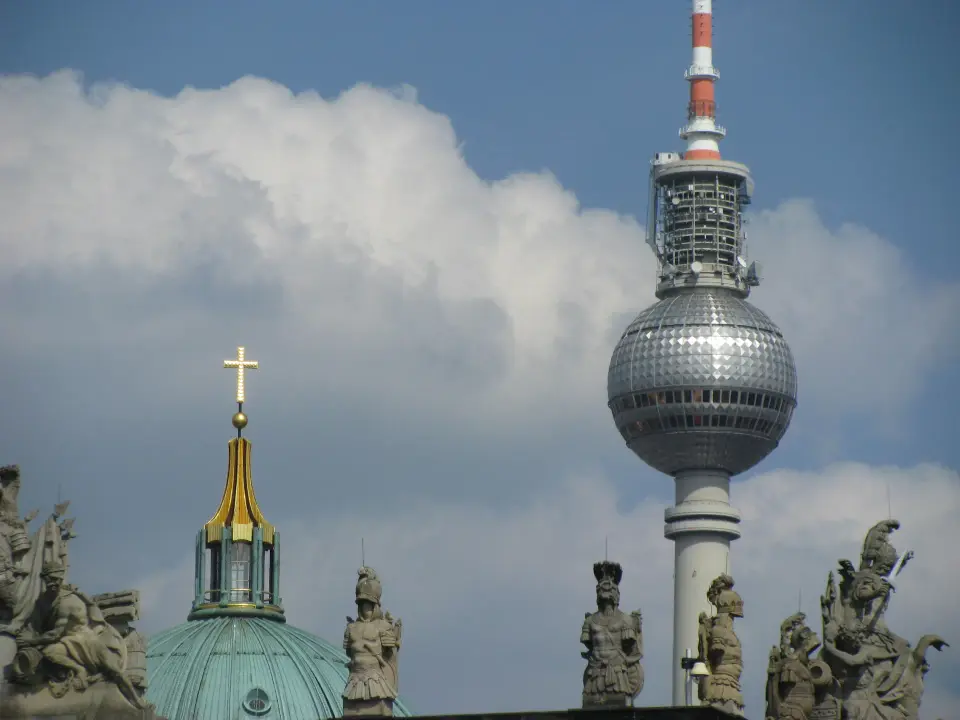
Berlin TV Tower
At 368 meters the tallest structure in Germany, with an observation deck and a revolving restaurant.
Stay in the neighborhood
Find hotels in Mitte
Planning a visit to Neues Museum? Here you'll find places to stay in the Mitte district.