Architecture · Modern
Berlin Hauptbahnhof
A glass interchange station from 2006 where long-distance trains meet on two levels, and for many visitors their first glimpse of Berlin.
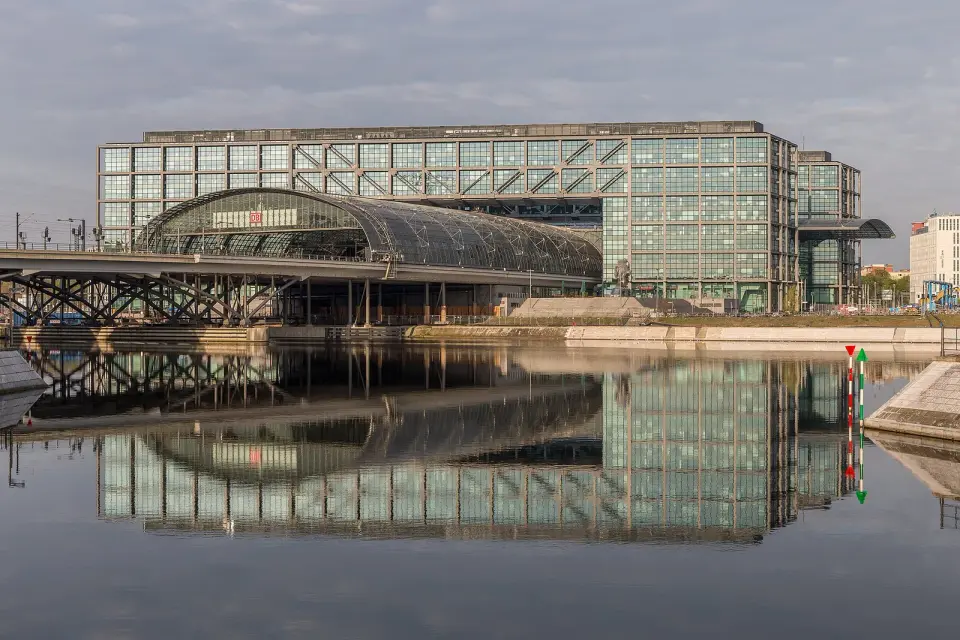
Berlin Hauptbahnhof (central station) opened on May 26, 2006, a few weeks before the soccer World Cup. It stands on the site of the old Lehrter Bahnhof, of which only a modest S-Bahn station remained after the war. It was designed by the Hamburg firm von Gerkan, Marg und Partner. For many travelers it is the gateway to the city, and it is also one of the most striking buildings in the new government quarter.
What makes it special is its design as an interchange station on two levels. Up top, in a long, arched glass hall, run the tracks of the east-west line, where S-Bahn and long-distance trains travel along the Stadtbahn elevated railway. Deep underground, the north-south tunnel crosses at a right angle with more long-distance platforms. In between are several levels of shops, restaurants and escalators, and thanks to the glass roof and open design, daylight reaches far down. Two office blocks span the hall like bridges and give the station its distinctive silhouette.
Not everything turned out the way the architects planned. The glass roof over the upper tracks was built shorter to save time, and the lower level got a flat ceiling instead of the vaulted one in the design. The architect and Deutsche Bahn even fought over that change in court.
Even if you are not arriving by train, a short detour is worth it. From Washingtonplatz on the south side you look at the glass facade, with the Spree, the Chancellery and the Reichstag close by. On the north side, a whole new neighborhood, the Europacity, is taking shape. Besides the S-Bahn and long-distance trains, the station is served by the U5, tram lines M5, M8 and M10 and several bus lines. The Futurium and the Hamburger Bahnhof are each just a few minutes away on foot.
From Lehrter Bahnhof to Hauptbahnhof
For a long time Berlin had no central station. In the 19th century private railway companies each built their own terminus on the edge of the city, among them the Hamburger, Lehrter, Anhalter and Potsdamer stations. Lehrter Bahnhof, a grand building with a large train shed, stood exactly where Hauptbahnhof stands today. It was badly damaged in the war and torn down at the end of the 1950s. All that remained was the small Stadtbahn station on the viaduct where the S-Bahn stopped.
After reunification, planners chose what was called the mushroom concept: alongside the existing east-west axis of the Stadtbahn, a north-south tunnel would be built right under the city center. The new Hauptbahnhof went up at the point where the two lines cross. Construction began in the mid-1990s, at times under difficult conditions, because the Spree and the Humboldthafen harbor are right next to the site and the ground is very waterlogged. The two arched office blocks spanning the hall were built standing upright and then lowered into their final horizontal position in an elaborate operation.
Finding your way around the station
Hauptbahnhof is organized on several levels, which are easy to read once you get the hang of it.
- Top: East-west tracks in the glass hall. This is where the S-Bahn lines S3, S5, S7 and S9 run, along with long-distance and regional trains heading west and east, for example to Spandau and Hanover or to Ostbahnhof and Frankfurt (Oder).
- Ground floor: Exits to Europaplatz on the north side and Washingtonplatz on the south side, taxis, streetcars and buses.
- Intermediate levels: Shops, places to eat, the travel center and luggage storage.
- Bottom: North-south tracks in the tunnel for long-distance and regional services, including trains toward Leipzig, Munich and BER Airport.
- U5: The U-Bahn platform is reached from the ground floor by its own stairs and elevators.
The departure boards show the level for each track. If your connection is on the other level, allow five to ten minutes on foot, especially with luggage and when escalators are out of service.
The station as a sight in itself
A walk around is worthwhile even if you are not catching a train. Stand on one of the galleries in the middle and look up and down: from here you can see all the levels at once and watch trains running above and below you. On the south side, Washingtonplatz opens toward the Spree. From the riverside promenade you look across the Spree to the Chancellery, with the glass front of the station behind you. From the bank of the Humboldthafen on the east side, the hall is reflected in the harbor basin when the water is calm, as in the photo above.
Tips
- For long-distance trains heading south (Munich, Leipzig) and for BER Airport, go down into the tunnel. For the Stadtbahn, go up. That saves a lot of searching.
- The S-Bahn into the city center runs on the top level. Heading east, Friedrichstraße is one stop away.
- Besides the S-Bahn, regional trains and the airport express also run to BER Airport, and they are usually much faster than the S-Bahn.
- Around public holidays and on Friday afternoons the platforms get very crowded. Allow extra time then.
Nearby
Five minutes’ walk from the south exit are the Chancellery and the Reichstag. The Futurium stands on Alexanderufer, and the Hamburger Bahnhof on Invalidenstraße. A bit farther east you will find the Natural History Museum. We cover the buildings of the government quarter along the Spree on our page about the Spreebogen.
Frequently asked
What to know about Berlin Hauptbahnhof
When did Berlin Hauptbahnhof open?
On May 26, 2006, shortly before the soccer World Cup in Germany began. It replaced the old Lehrter Bahnhof on the same site.
What is an interchange station?
A station where two lines cross on different levels. In Berlin the east-west tracks run up top in the glass hall and the north-south tracks deep underground.
How do I get from Hauptbahnhof to the city center?
Take the S-Bahn heading east to reach Friedrichstraße, Hackescher Markt and Alexanderplatz in a few minutes. The U5 runs via Brandenburger Tor and Museumsinsel to Alexanderplatz. The Reichstag is about a ten-minute walk.
Nearby & related
Pairs well with this
More attractions that combine nicely with a visit to Berlin Hauptbahnhof.
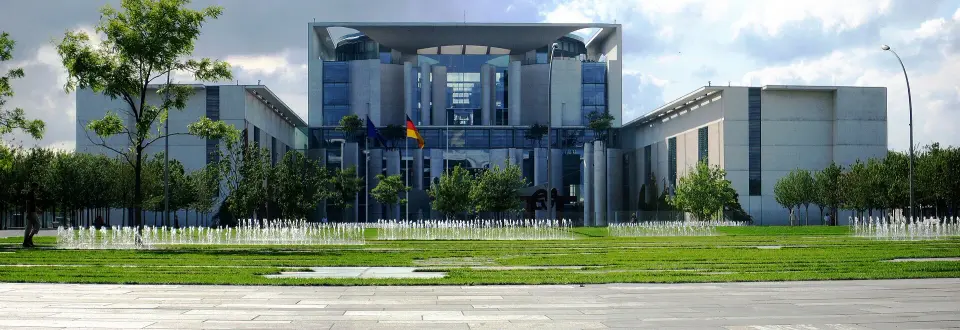
Federal Chancellery
The official seat and workplace of the German chancellor in the Spreebogen, a striking building by Axel Schultes and Charlotte Frank.
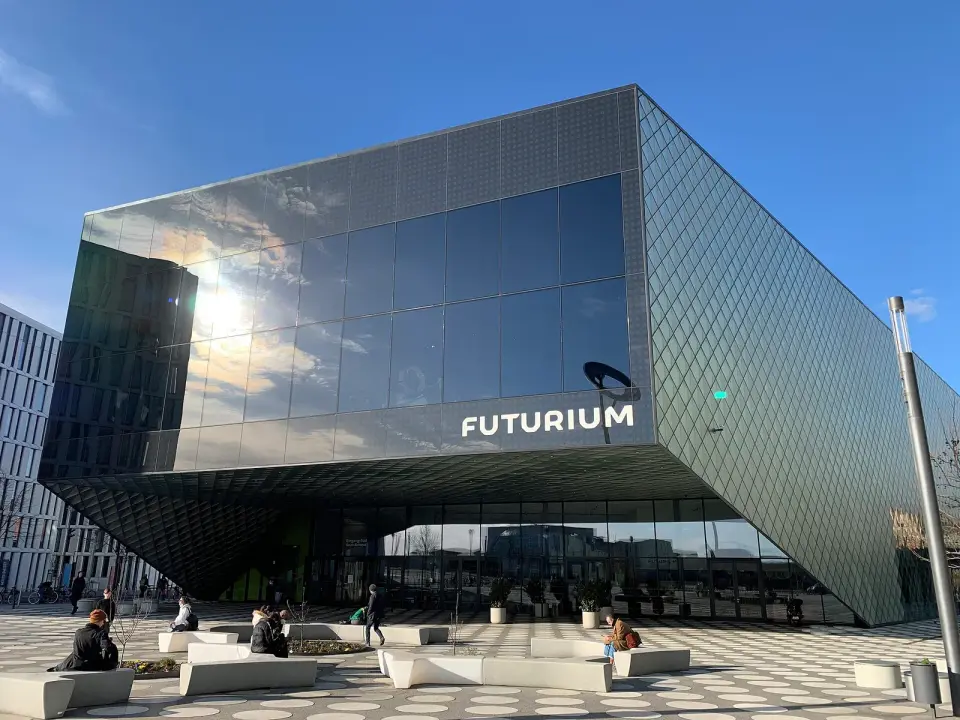
Futurium
A free "House of Futures" on the Spree riverbank near Hauptbahnhof, with an interactive exhibition, a hands-on lab and a rooftop terrace.
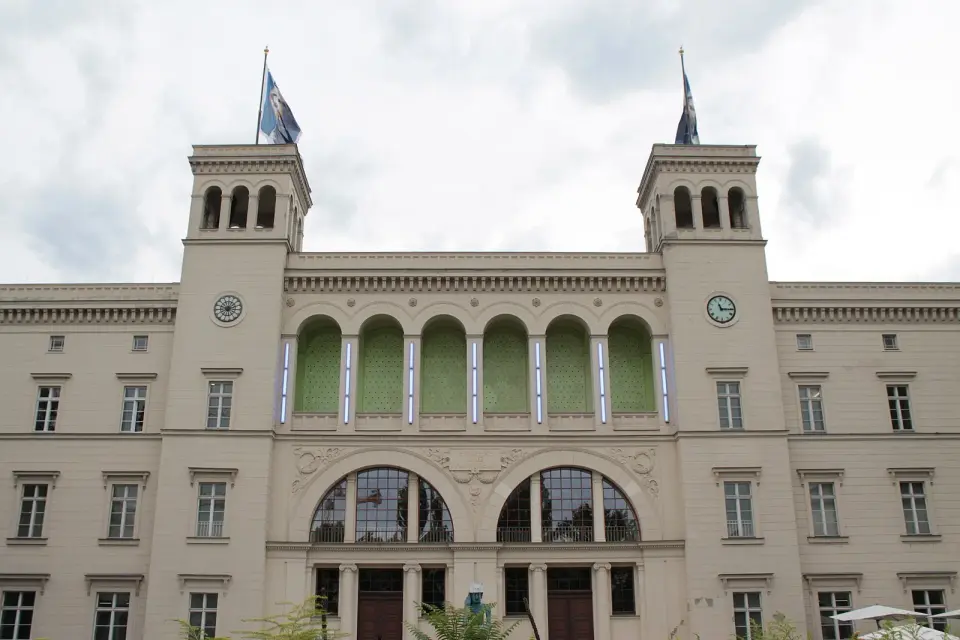
Hamburger Bahnhof
A former terminal station from 1847, now one of Berlin's most important venues for contemporary art as the Nationalgalerie der Gegenwart.
More in Mitte
More attractions in Mitte
Other highlights in the same district that pair well with a visit to Berlin Hauptbahnhof.
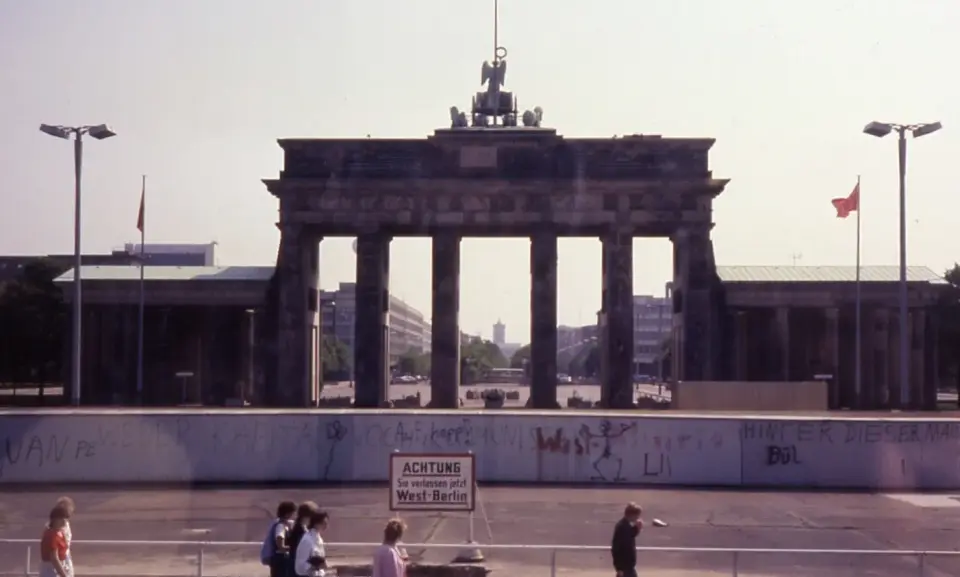
Brandenburg Gate
Berlin's most famous landmark on Pariser Platz, transformed from a symbol of division into a symbol of unity.
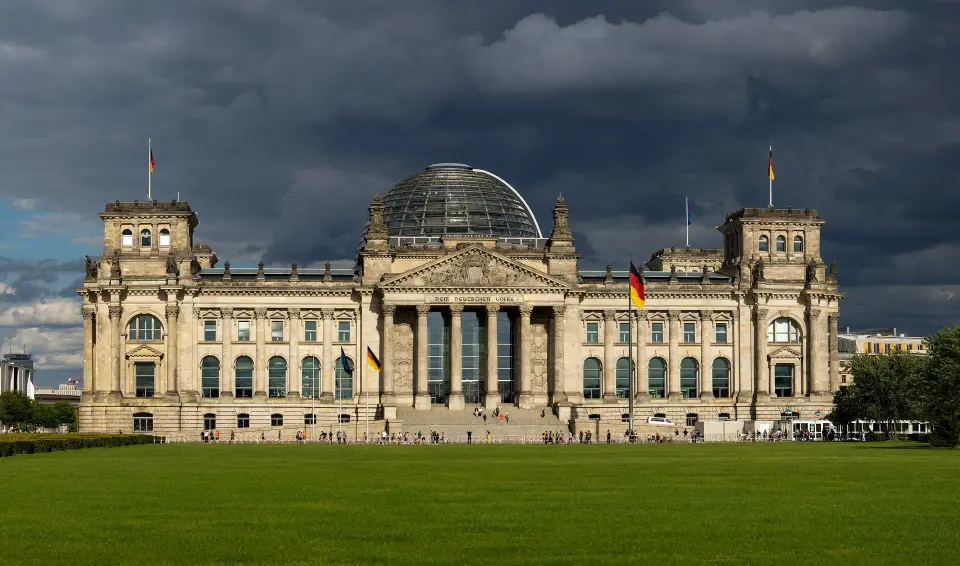
Reichstag Building
Seat of the German Bundestag, with a walk-up glass dome by Norman Foster and views over the government quarter.
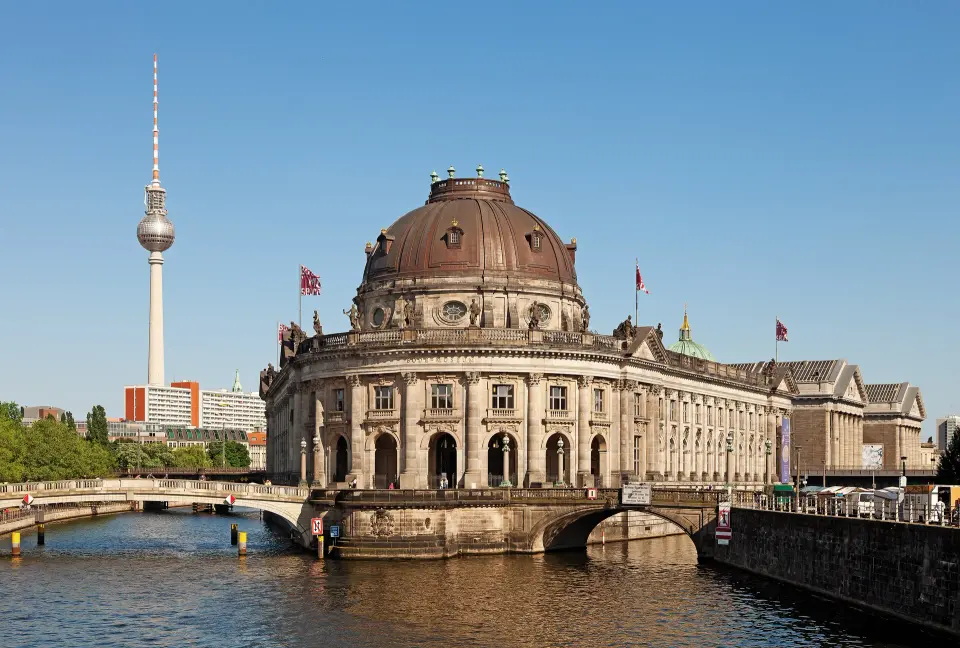
Museum Island
Five world-famous museums on an island in the Spree, a UNESCO World Heritage Site since 1999.
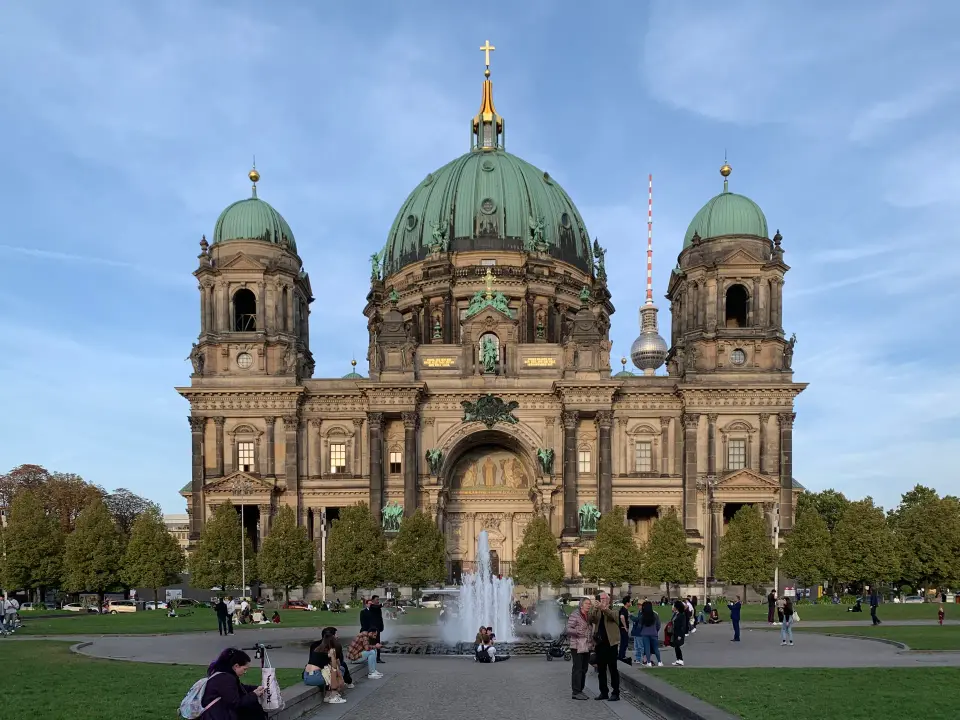
Berlin Cathedral
A monumental Protestant church on the Lustgarten with a walk-up dome and views over Museum Island.
Stay in the neighborhood
Find hotels in Mitte
Planning a visit to Berlin Hauptbahnhof? Here you'll find places to stay in the Mitte district.