Museum · Art · Architecture
Hamburger Bahnhof
A former terminal station from 1847, now one of Berlin's most important venues for contemporary art as the Nationalgalerie der Gegenwart.
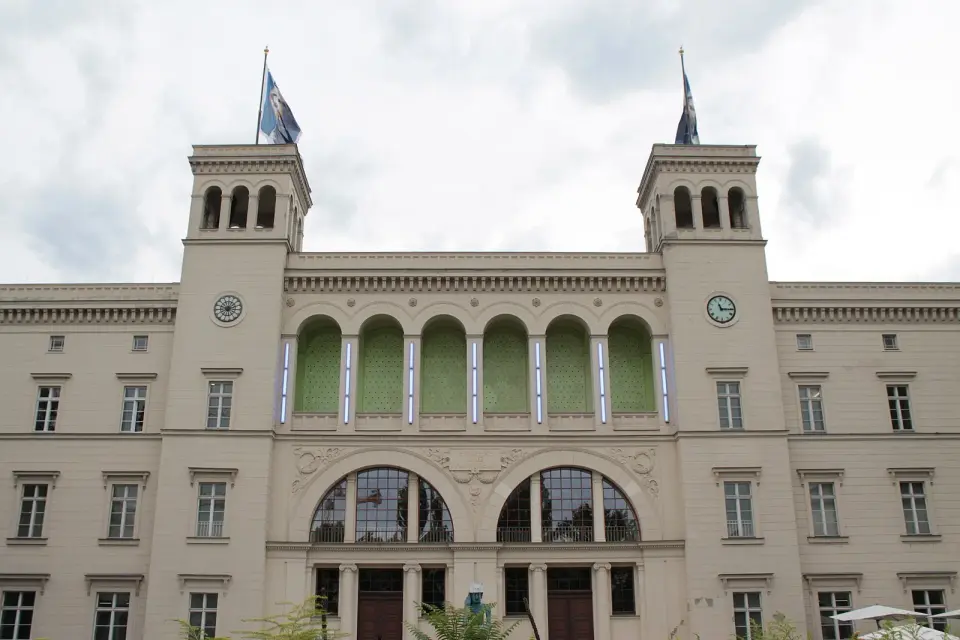
The Hamburger Bahnhof on Invalidenstraße is one of the oldest surviving railway station buildings in Berlin. It was built in 1846/47 as the terminus of the rail line to Hamburg, and the late neoclassical central building with its two towers and large gateway still recalls that era. It served as a station for only a few decades, though. As early as 1884, rail traffic moved to the neighboring Lehrter Bahnhof, on whose site Hauptbahnhof stands today.
Then began a long life as a museum. From 1906 the building showed locomotives and models as a museum of transport and construction. After World War II it stood on West Berlin territory but belonged to East Germany's Reichsbahn railway and stayed closed for decades. Only in the mid-1980s did it pass to the West Berlin Senate. The architect Josef Paul Kleihues converted it into a museum of contemporary art, which opened in 1996. Its foundation was the collection of Erich Marx, with works by Joseph Beuys, Andy Warhol, Robert Rauschenberg and Anselm Kiefer.
Today the museum is called "Hamburger Bahnhof, Nationalgalerie der Gegenwart" (National Gallery of Contemporary Art) and belongs to the Staatliche Museen zu Berlin. Besides the tall former station hall, which often holds large-scale installations, the museum uses the long Rieckhallen, former warehouses of a freight company. It shows changing exhibitions and works from the collection, from conceptual art to video and performance. Take a look at the facade in the evening, when a light installation by the American artist Dan Flavin bathes the building in green and blue light.
Hauptbahnhof is only a few minutes' walk away. Tram lines M5, M8 and M10 stop right in front of the museum at Invalidenpark. The Natural History Museum and the Futurium are each about ten minutes away on foot.
From station to museum
The Hamburger Bahnhof belongs to the first generation of Berlin’s long-distance railway stations. The Berlin-Hamburg Railway Company built it as a terminus, with trains entering the hall through the large arched gateway. Because the site soon became too small and the neighboring Lehrter Bahnhof offered more capacity, it lost its role after less than forty years. After that the building served as housing and offices for railway officials.
Its conversion into a transport and construction museum at the beginning of the 20th century made it one of the first technology museums in Germany. After the war the station lay in the British sector, but the railway facilities in West Berlin were run by the GDR’s Deutsche Reichsbahn. As a result, the museum and its locomotives stayed locked up for decades. When the Reichsbahn handed the building over to the West Berlin Senate in the mid-1980s, the historic vehicles went to what is now the German Museum of Technology in Kreuzberg.
The remodeling by Josef Paul Kleihues created a museum that does not hide the station architecture but puts it to use. The former train shed with its delicate iron structure is today the most impressive exhibition space. Next to it is a new, deliberately plain wing that takes its cue from the rhythm of the old building.
The Rieckhallen and how they were saved
The Rieckhallen behind the main building, about 1,000 feet (300 meters) long, were originally warehouses belonging to a freight company. They have been used as exhibition space since 2004, at first mainly for the Friedrich Christian Flick Collection. In 2020 they were threatened with demolition because the land had been sold to a private investor. After public protest, the State of Berlin agreed a land swap with the owner. Since 2022 the halls have belonged to the museum permanently. For visitors, that means plenty of room for installations that take up several spaces.
What to expect
The Hamburger Bahnhof has no fixed permanent exhibition in the classic sense. Instead, collection displays and special exhibitions rotate, often with a focus on installation, film, sound and performance. Works by Joseph Beuys, who is closely linked to the museum through the Marx Collection, are regularly on view. Expect that not every area will be open at the same time, because spaces are rebuilt between exhibitions.
Planning your visit
Two hours is enough for the main hall and one larger exhibition. If you want to explore the Rieckhallen thoroughly too, plan on more. The museum is usually closed on Mondays, and on some evenings it stays open later. You can find current hours, prices and exhibitions on smb.museum.
Hauptbahnhof is only a few hundred yards away. From the north exit at Europaplatz, simply walk east along Invalidenstraße. Streetcars M5, M8 and M10 stop at Invalidenpark opposite. Naturkundemuseum U-Bahn station (U6) is about a ten-minute walk.
Tips
- Come in the late afternoon and stay until dusk. That is when the green and blue light installation on the facade glows, and the forecourt is a nice spot for one last photo.
- The museum has a bookstore with a good selection on contemporary art, plus a café.
- Many works are large and can be walked through. Comfortable shoes help, as the distances in the Rieckhallen are long.
Nearby
Right next door are Hauptbahnhof and the Futurium. Farther east on Invalidenstraße, the Natural History Museum displays dinosaur skeletons. South of the Spree, the government quarter begins with the Chancellery and the Reichstag.
Frequently asked
What to know about Hamburger Bahnhof
Why is the museum called Hamburger Bahnhof?
The building was constructed in 1846/47 as the Berlin terminus of the rail line to Hamburg. It kept the name even though no trains have departed from there since 1884.
What art does the Hamburger Bahnhof show?
Contemporary art from about 1960 onward: works from the Nationalgalerie's collection, including pieces by Joseph Beuys, Andy Warhol and Anselm Kiefer, plus changing exhibitions with installation, video and performance.
How do I get to the Hamburger Bahnhof?
It is about a five- to ten-minute walk from Hauptbahnhof. Tram lines M5, M8 and M10 stop at Invalidenpark, directly in front of the museum.
Nearby & related
Pairs well with this
More attractions that combine nicely with a visit to Hamburger Bahnhof.
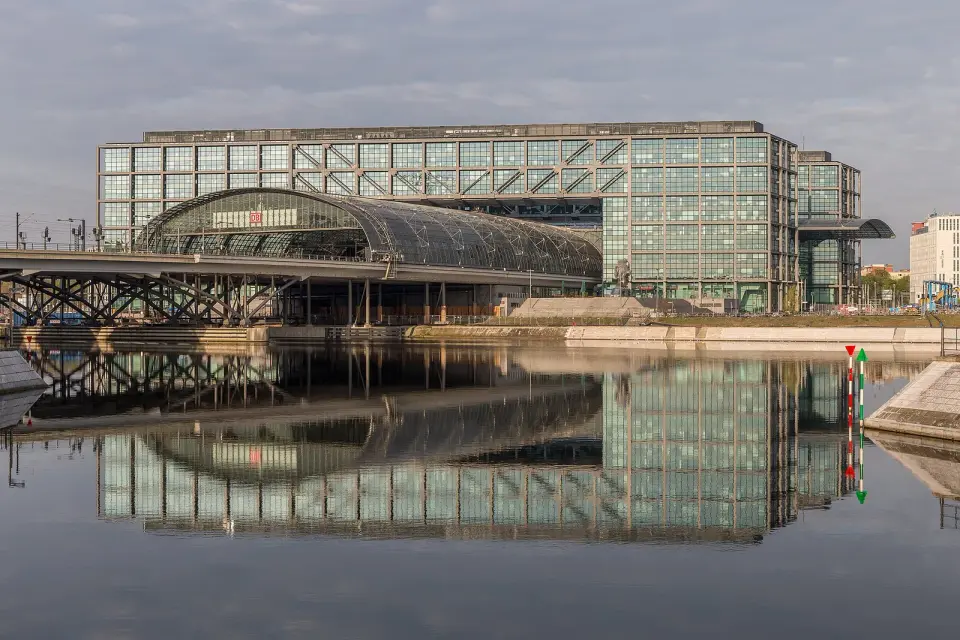
Berlin Hauptbahnhof
A glass interchange station from 2006 where long-distance trains meet on two levels, and for many visitors their first glimpse of Berlin.
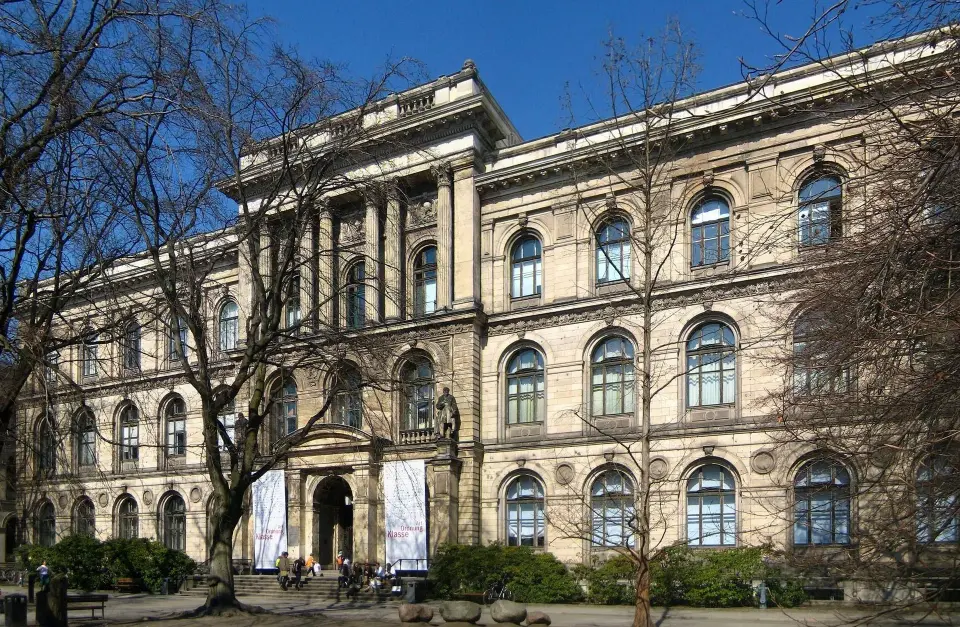
Natural History Museum
Germany's largest natural history museum, home to the tallest mounted dinosaur skeleton in the world.
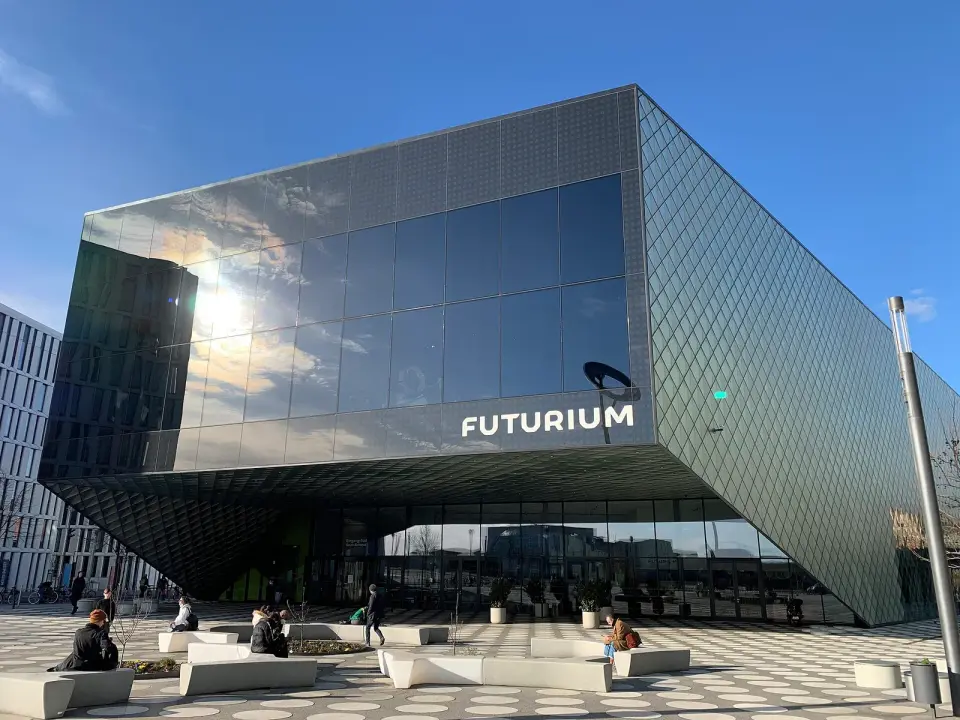
Futurium
A free "House of Futures" on the Spree riverbank near Hauptbahnhof, with an interactive exhibition, a hands-on lab and a rooftop terrace.
More in Mitte
More attractions in Mitte
Other highlights in the same district that pair well with a visit to Hamburger Bahnhof.
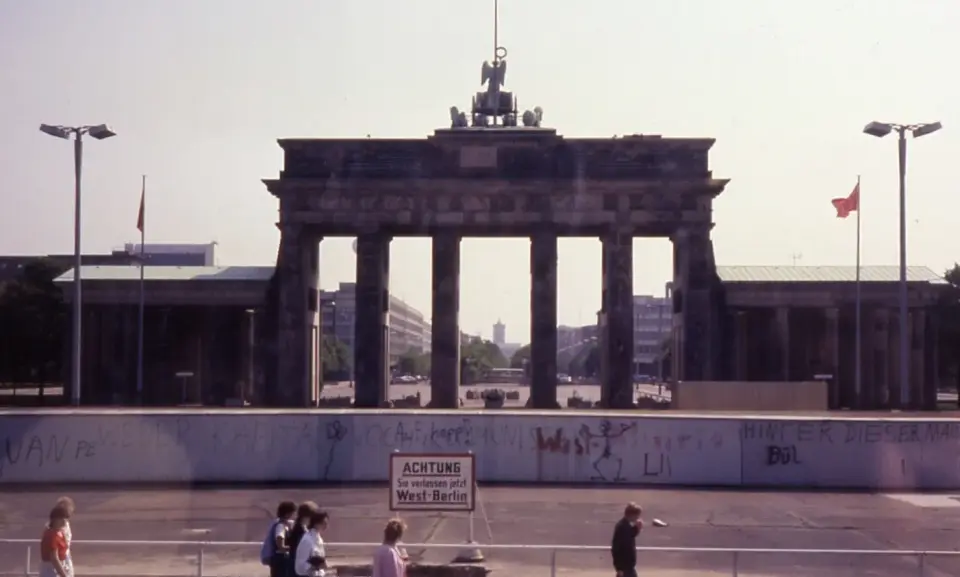
Brandenburg Gate
Berlin's most famous landmark on Pariser Platz, transformed from a symbol of division into a symbol of unity.
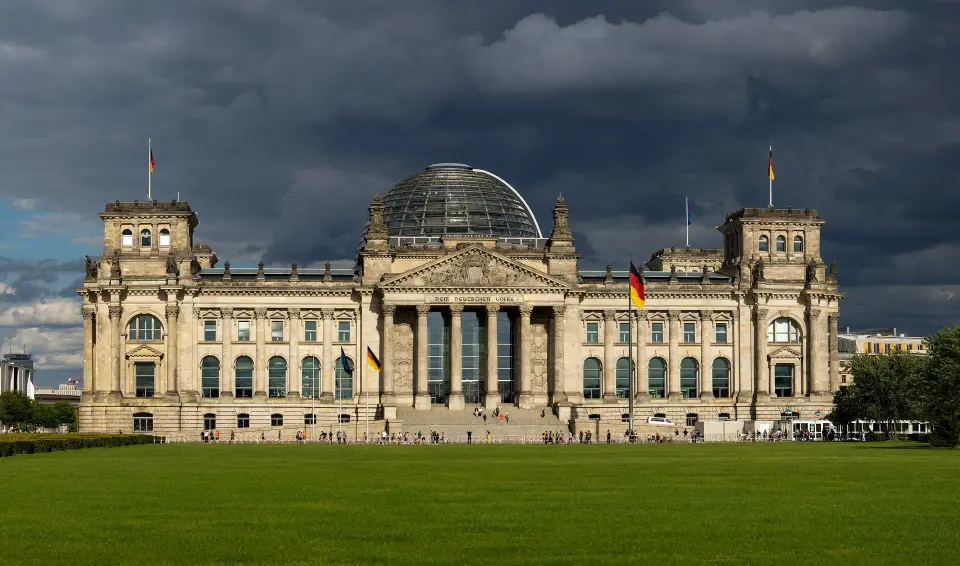
Reichstag Building
Seat of the German Bundestag, with a walk-up glass dome by Norman Foster and views over the government quarter.
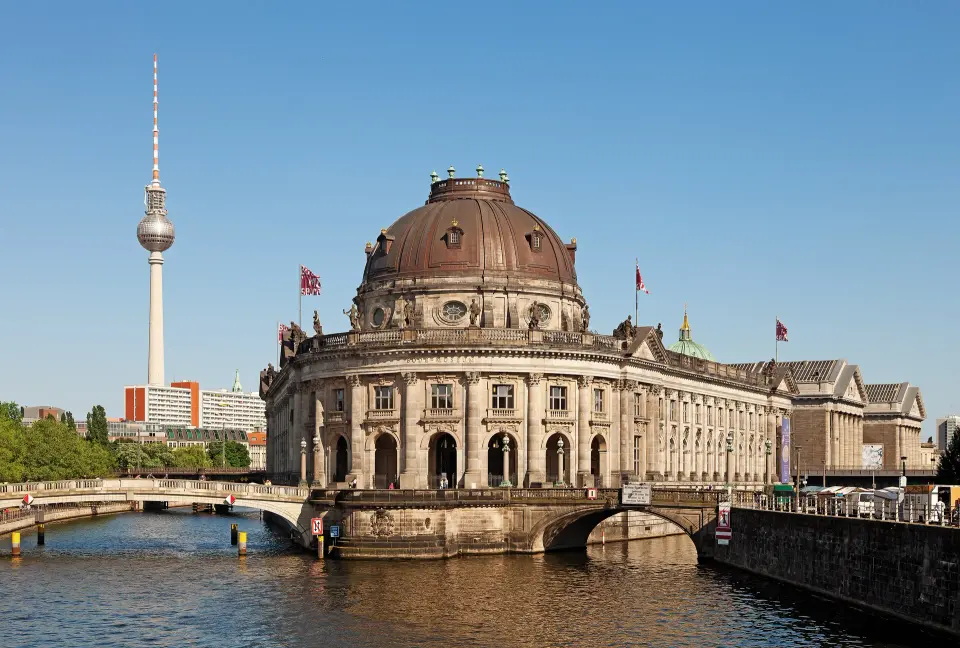
Museum Island
Five world-famous museums on an island in the Spree, a UNESCO World Heritage Site since 1999.
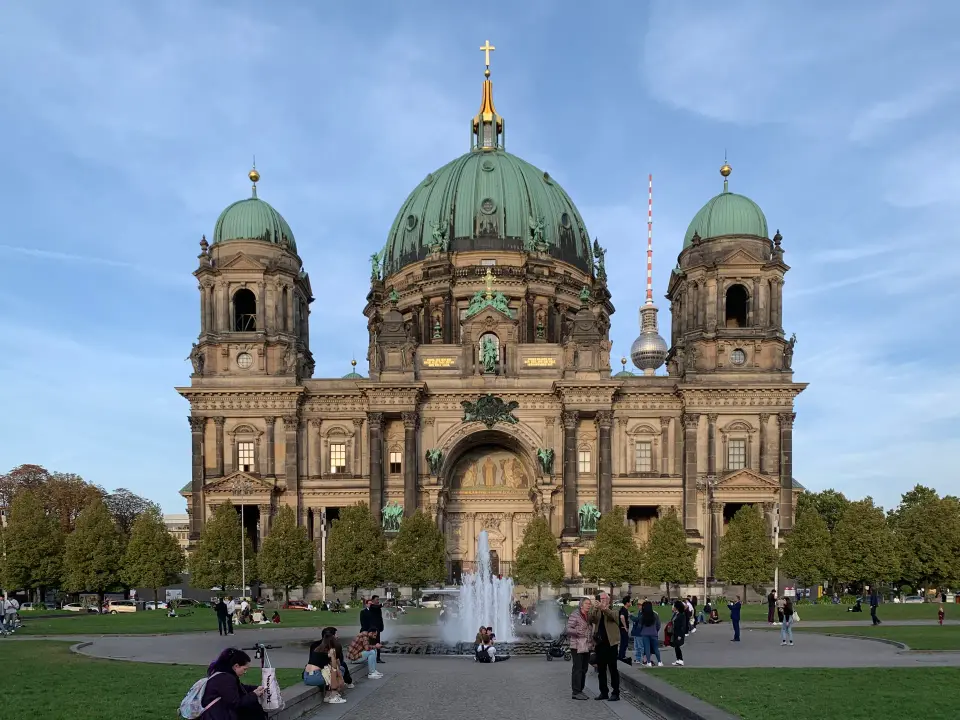
Berlin Cathedral
A monumental Protestant church on the Lustgarten with a walk-up dome and views over Museum Island.
Stay in the neighborhood
Find hotels in Mitte
Planning a visit to Hamburger Bahnhof? Here you'll find places to stay in the Mitte district.