Zoo · Family · Park
Tierpark Berlin
A sprawling landscape zoo in Friedrichsfelde, founded in 1955 as East Berlin's zoo, with a palace in the middle of the grounds.
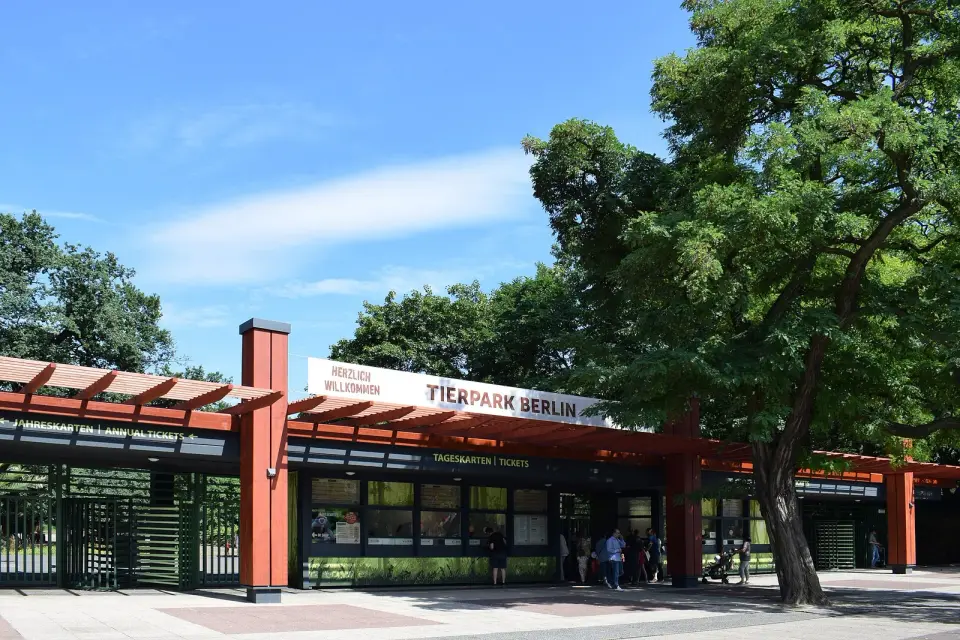
Tierpark Berlin in Friedrichsfelde is the city's second large zoo and is quite different from the Zoologischer Garten in City West. It opened in 1955 because East Berlin no longer had a zoo of its own after the city was divided. The grounds were the park of the baroque Schloss Friedrichsfelde, which was greatly enlarged at the time. At about 160 hectares (roughly 400 acres), the Tierpark is one of the largest zoos by area in Europe.
It was shaped by its first director, Heinrich Dathe, who ran it until 1990 and became a well-known face in the GDR. Under him the idea of a landscape zoo took hold. Instead of cramped cages, spacious enclosures, meadows, ponds and old trees were to form the setting. That is why many enclosures for hoofed animals, deer and wild cattle are wide and open, with long footpaths through park-like scenery between them.
Among the best-known buildings is the Alfred-Brehm-Haus from the 1960s, with big cats and a tropical hall. For several years the Tierpark has been remodeling step by step and has opened new enclosures that group animals by region. In the middle of the grounds stands Schloss Friedrichsfelde, a former aristocratic residence from the late 17th and early 18th centuries, whose rooms are open during tours and events.
Allow plenty of time and wear comfortable shoes, because the paths are long. If you do not want to cover everything on foot, you can use the Tierpark train, which runs through the grounds depending on the season. The U5 stops at Tierpark station right by the main entrance, about 20 minutes from Alexanderplatz. A second entrance is by the palace. Combination tickets are available for the Tierpark and the Zoo, which belong to the same company. You can find current prices and opening hours on the official website.
A zoo built as a community project
The Tierpark was created at a time when East Berlin had to rebuild a great deal from scratch. The long-established Zoologischer Garten lay in the western half of the city, and the GDR leadership wanted a counterpart of its own for its capital. Much of the early work was done in volunteer shifts: residents, factories and school classes helped lay out paths and enclosures. Some of the first animals arrived as gifts from other zoos and from Eastern Bloc countries.
Heinrich Dathe shaped the park for 35 years. He was not only its director but also a well-known television and radio presenter who brought animals closer to a broad audience. Under his leadership the animal collection grew substantially, and the Tierpark became known for its breeding successes with rare hoofed animals and birds. Since 2014, the Tierpark and the Zoo have shared a director. Since then the Tierpark has been modernized step by step, with older enclosures replaced by larger, more natural habitats.
Schloss Friedrichsfelde (Friedrichsfelde Palace) is considerably older than the zoo. It was built in the late 17th century as a country residence and later expanded several times. After the war it first fell into disrepair and was restored in the 1970s and 1980s. Today it belongs to the Tierpark and is used for concerts, weddings and exhibitions.
How to plan your day
The grounds are so large that it pays to settle on a rough route.
- Morning, northern section: From the main entrance at the U-Bahn station you quickly reach the bear enclosures, the Alfred-Brehm-Haus with big cats and a tropical hall, and the newer enclosures nearby.
- Midday: There are places to eat at several spots in the park. If you bring a picnic, you will find plenty of quiet lawns and benches.
- Afternoon, southern section: Around the palace are the large enclosures for hoofed animals, waterfowl ponds and old stands of trees. It is usually quieter here than in the north.
- Heading back: You can also leave the park through the entrance by the palace if you would rather not walk the same way back.
Planning your visit
The main entrance is right at the Tierpark U-Bahn station (U5). From Alexanderplatz it is about 20 minutes with no change of trains. The second entrance, by the palace, is farther south on the same street, Am Tierpark. If you come by car, expect parking to be tight on sunny weekends.
The Tierpark is especially nice in spring, when the young animals are born, and on warm fall days. In high summer many animals retreat to the shade at midday and are more active early and late in the day. In winter the park closes earlier, but in return it is very empty.
Tips
- Download the park map beforehand or pick one up at the entrance. The paths are extensive and not clearly signposted everywhere.
- If you want to visit both the Zoo and the Tierpark on two days, work out whether a combined ticket or an annual pass is worth it.
- Strollers are no problem, since the paths are wide and mostly paved.
- Dogs are not allowed in the Tierpark.
Nearby
If you want more green after the Tierpark, the Landschaftspark Herzberge lies to the north. For GDR history, the Stasi Museum is a good choice, since it is on the U5 on the way back downtown. Farther east, in Marzahn, the Gardens of the World are waiting. For a direct comparison with the city’s other big zoo, visit the Berlin Zoo in Charlottenburg. You will find more places in the district on our page about Lichtenberg.
Frequently asked
What to know about Tierpark Berlin
What is the difference between the Tierpark and Berlin Zoo?
The Zoo in Charlottenburg is older, more compact and right in the middle of the city. The Tierpark in Friedrichsfelde is much larger and greener, laid out as a landscape zoo with spacious enclosures. Both belong to the same company.
How do I get to Tierpark Berlin?
Take the U5 to Tierpark station, whose exit is right at the main entrance. The ride from Alexanderplatz takes about 20 minutes.
How much time do I need for the Tierpark?
Because of its size, allow at least half a day. With kids and breaks it easily turns into a full day.
Nearby & related
Pairs well with this
More attractions that combine nicely with a visit to Tierpark Berlin.
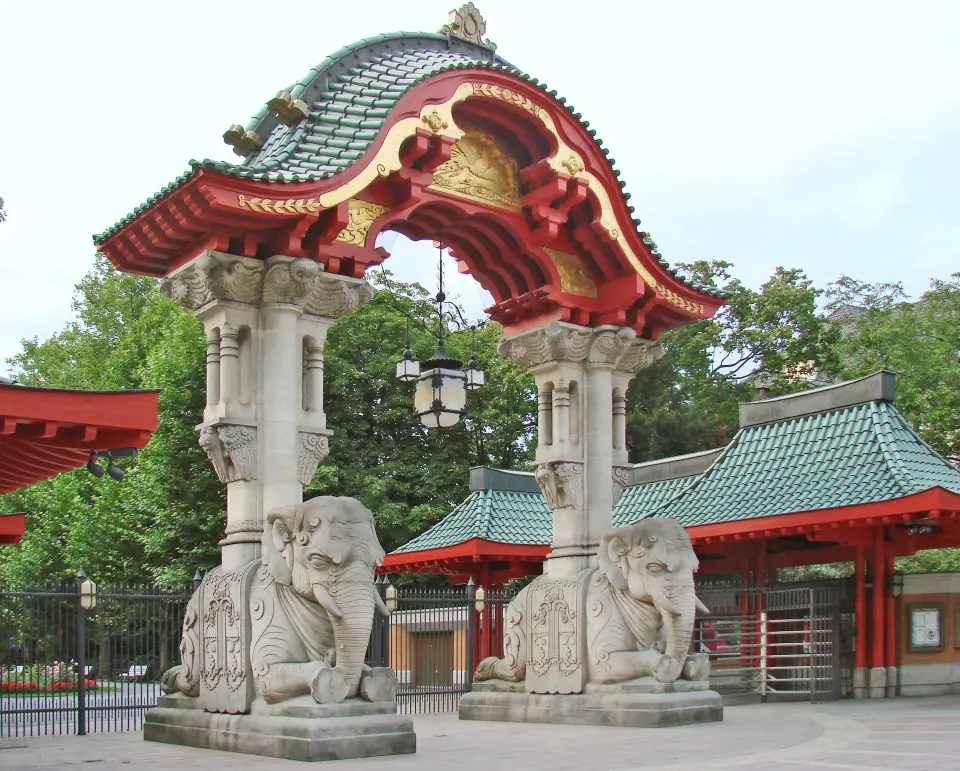
Berlin Zoo
Germany's oldest zoo, with great biodiversity in the middle of the western center.
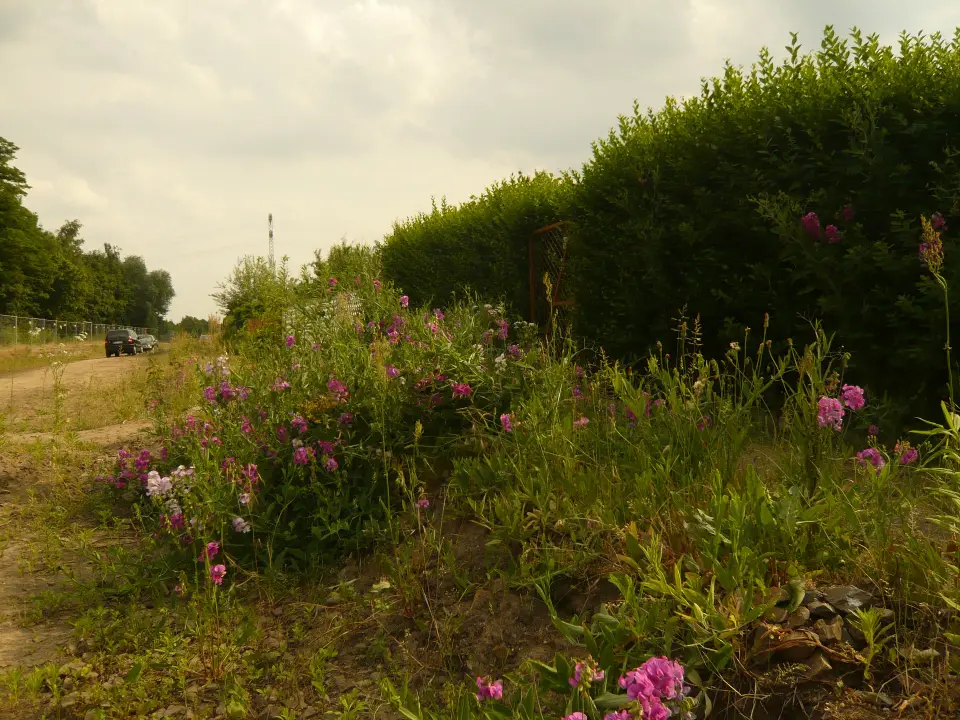
Herzberge Landscape Park
Around 100 hectares of urban landscape in Lichtenberg with grazing Pomeranian sheep, biotopes and wide meadows.
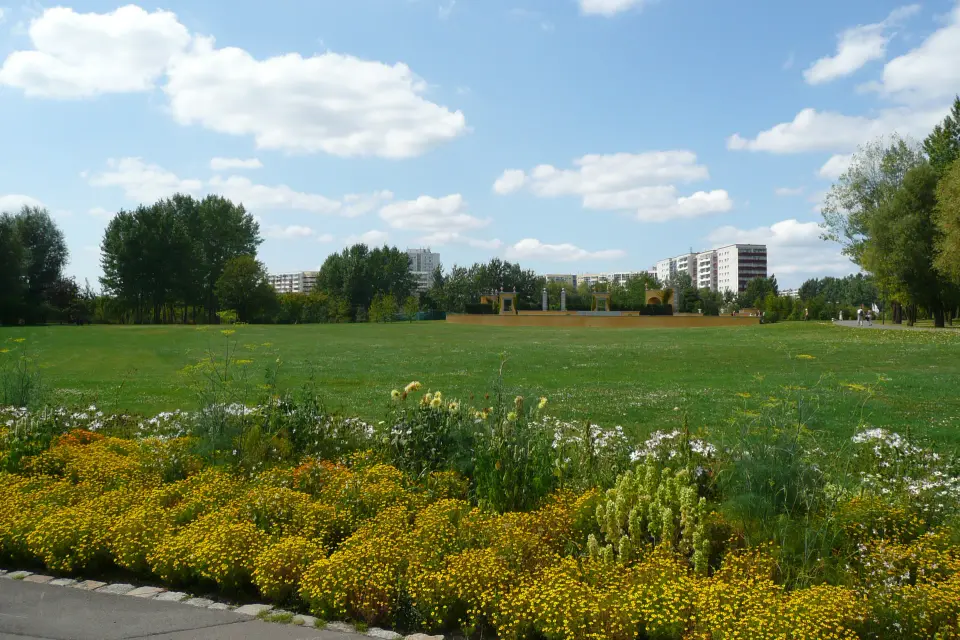
Gardens of the World
An expansive park in Marzahn with artful themed gardens from around the world, a cable car and views from the Kienberg.
More in Lichtenberg
More attractions in Lichtenberg
Other highlights in the same district that pair well with a visit to Tierpark Berlin.
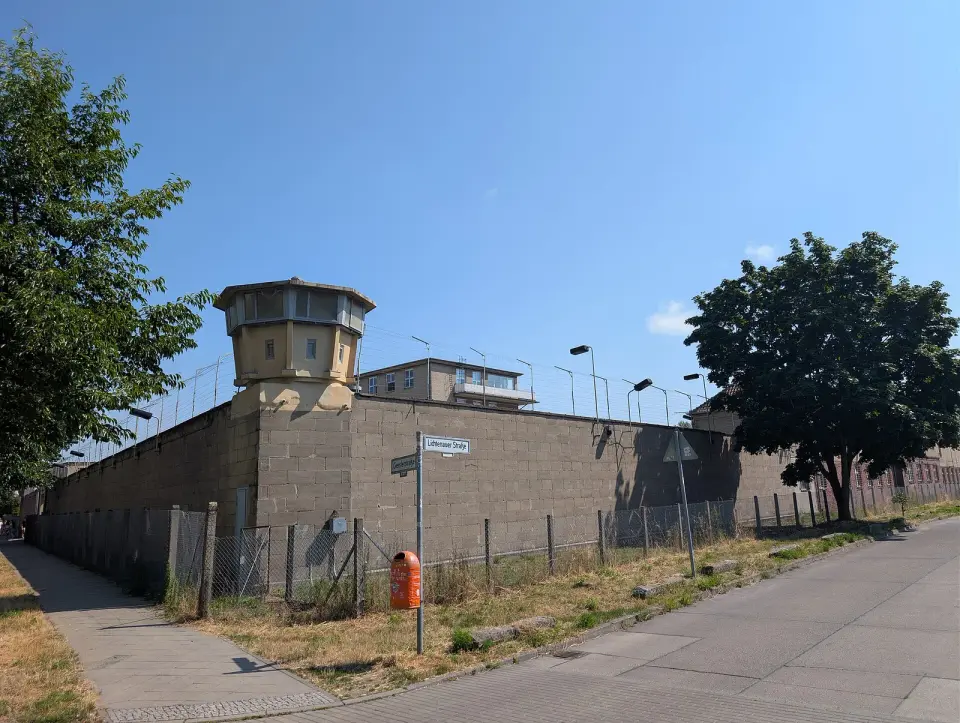
Berlin-Hohenschönhausen Memorial
The Stasi's former central remand prison, which you get to know on guided tours through cell blocks and interrogation rooms.
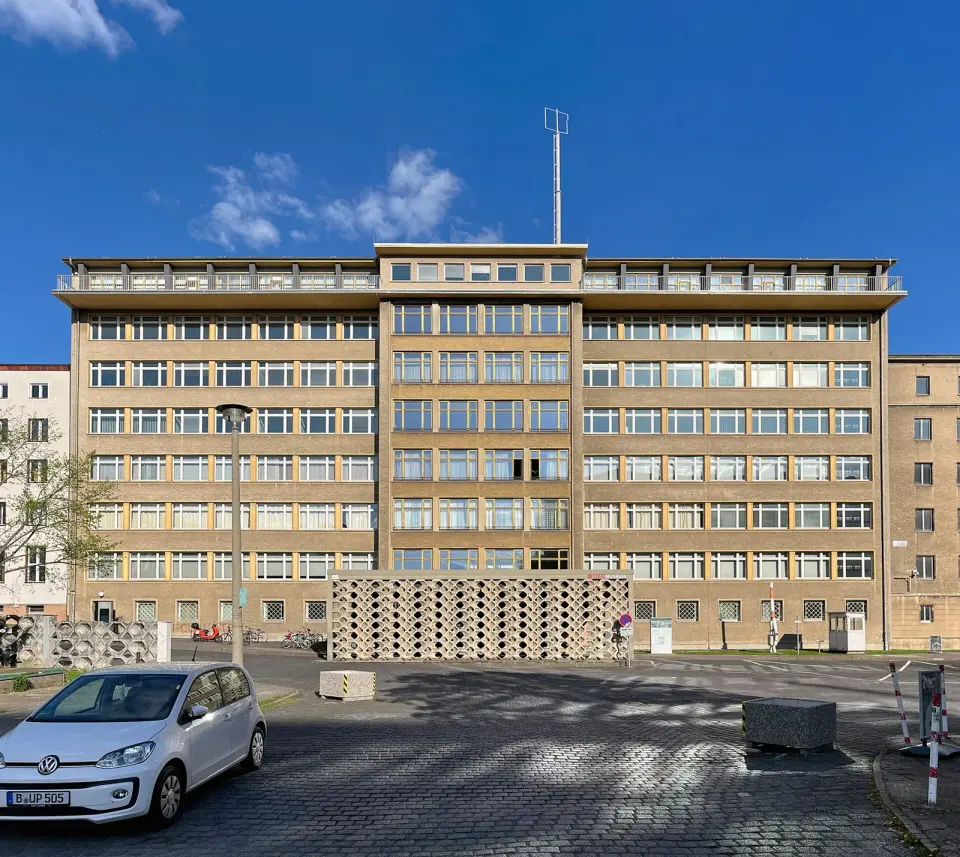
Stasi Museum
A museum in the former headquarters of the GDR's state security service in Lichtenberg, with Erich Mielke's office preserved in its original state.
Stay in the neighborhood
Find hotels in Lichtenberg
Planning a visit to Tierpark Berlin? Here you'll find places to stay in the Lichtenberg district.