Memorial · History
Soviet War Memorial (Tiergarten)
A war memorial on Straße des 17. Juni, built in 1945 for the fallen soldiers of the Red Army, with tanks and a burial ground.
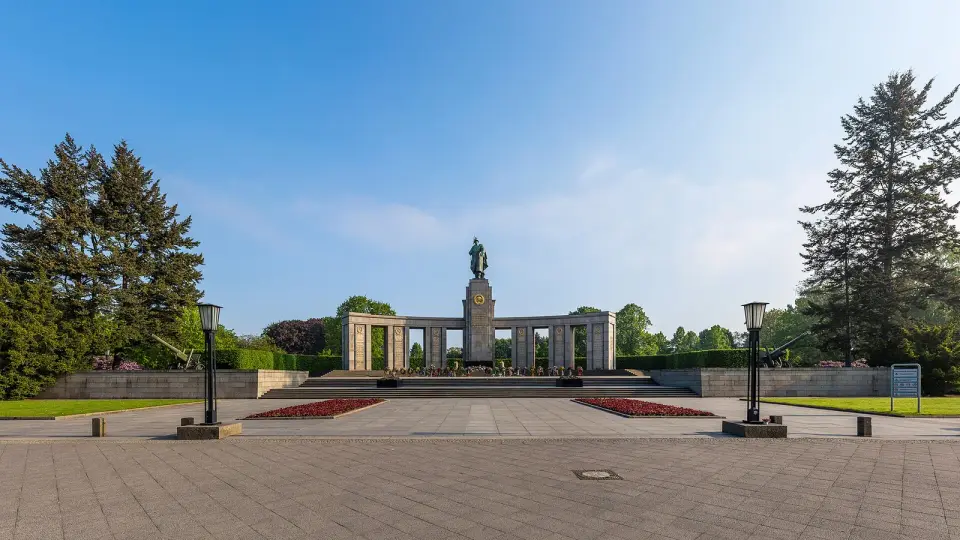
Just a few minutes' walk west of the Brandenburg Gate, a memorial stands on Straße des 17. Juni that many visitors pass on their way to the Victory Column without quite knowing what it is. The Soviet War Memorial in the Tiergarten was the first of the large Soviet war memorials in Berlin. It was built only a few months after the end of the war and dedicated in November 1945.
The site commemorates the Red Army soldiers who fell in the Battle of Berlin in the spring of 1945. Behind the monument lies a cemetery where about 2,000 of them are buried. At its center is a curved colonnade, with the bronze figure of a soldier, rifle slung over his shoulder, standing on the middle column. It was designed by the sculptor Lev Kerbel. On either side of the approach stand two T-34 tanks and two artillery pieces that are said to have taken part in the fighting.
Its location is a quirk of postwar history. The memorial stood in the British sector, that is, in West Berlin, yet until 1990 it was guarded by Soviet soldiers. The changing of the guard took place every day in full view of Western passersby, while British military police secured the area from outside. After the Soviet troops withdrew, its upkeep passed to the state of Berlin. Today diplomats, associations and private individuals lay flowers here on May 8 and 9, the anniversaries of the end of the war.
The memorial is a place of remembrance, not a backdrop for selfies. A short, respectful visit combines well with a walk through the Tiergarten. The nearest station is Brandenburger Tor (S1, S2, S25, S26, U5), and from the Reichstag it is just under ten minutes on foot. A much larger Soviet memorial is located in Treptower Park.
Built in the first months after the war
Once the Red Army had taken Berlin in May 1945, the Soviet military administration moved very quickly to erect memorials to its own fallen soldiers. For the first of them it chose a symbolically charged site: the former East-West Axis, which the Nazis had expanded as part of their plans for the “world capital Germania,” within sight of the Brandenburg Gate and the Reichstag. It was built in just a few months, with German companies and workers also involved. According to tradition, some of the stone came from the ruins of the New Reich Chancellery.
The site, however, lay in the British sector, one of the zones into which the city had been divided in the summer of 1945. The Soviet Union kept the right to enter and guard it. Every day, Soviet soldiers drove over from East Berlin to mount the honor guard. After the Wall went up in 1961, the memorial was repeatedly the target of protests, and in 1970 an attacker shot at one of the guards. The British military police then cordoned off the area around it. The sentries were thus, in a sense, under double protection, one of the many oddities of the divided city.
The honor guard ended when the Soviet troops withdrew. After reunification, Germany committed itself by treaty to preserving and maintaining the Soviet war graves and memorials permanently.
What you see on site
The layout is simple and designed to be seen from a distance.
- The colonnade: A shallow arc of pillars that closes off the burial ground behind it from the street. Inscriptions in Cyrillic honoring the fallen are carved into the pillars.
- The soldier figure: On the central column stands a bronze figure of a Red Army soldier, several meters tall, with a rifle slung over his shoulder. You can see it from far down Straße des 17. Juni.
- The tanks and guns: Two T-34 tanks and two howitzers stand on plinths on either side of the forecourt. They are original wartime vehicles.
- The graves: Behind the colonnade lies a small, quiet garden beneath which the dead are buried.
Planning your visit
The memorial is hardly a destination in its own right, but it sits right on one of Berlin’s busiest walking routes. If you walk from the Brandenburg Gate along Straße des 17. Juni toward the Siegessäule (Victory Column), you pass it on your right after about five minutes. Take the time to read the information panels along the edge, which explain the history in several languages.
The nearest stops are the Brandenburger Tor S-Bahn and U-Bahn station and the bus 100 stop at the Reichstag. From the Hauptbahnhof (main station), it is about a 15-minute walk.
Tips
- On May 8 and 9, the memorial is the scene of commemorative events. Political rallies sometimes take place on these dates too, and police restrictions apply, for example on flags and symbols. If you want to visit in peace, pick another day.
- For a photo of the whole site, stand on the opposite side of Straße des 17. Juni.
- The Tiergarten is big. If you want to keep walking, you can turn off here onto the Großer Weg into the heart of the park.
Nearby
A few steps to the east stands the Brandenburg Gate, and to the north are the Reichstag and the Federal Chancellery. Straße des 17. Juni runs right through the Tiergarten to the Victory Column. The city’s largest Soviet memorial is in Treptower Park in the southeast. On the southeastern edge of the Tiergarten, the Holocaust Memorial commemorates the murdered Jews of Europe.
Frequently asked
What to know about Soviet War Memorial (Tiergarten)
Is the Soviet War Memorial in the Tiergarten freely accessible?
Yes, the site on Straße des 17. Juni is open without admission. Since it is a burial ground, quiet and respectful behavior is expected.
How is it different from the memorial in Treptower Park?
The memorial in the Tiergarten is smaller and was built as early as 1945. The site in Treptower Park was dedicated in 1949, is much more extensive and is known for its large statue of a soldier holding a child.
Who is buried at the Soviet War Memorial?
About 2,000 Red Army soldiers who died in the fighting for Berlin in April and May 1945.
Nearby & related
Pairs well with this
More attractions that combine nicely with a visit to Soviet War Memorial (Tiergarten).
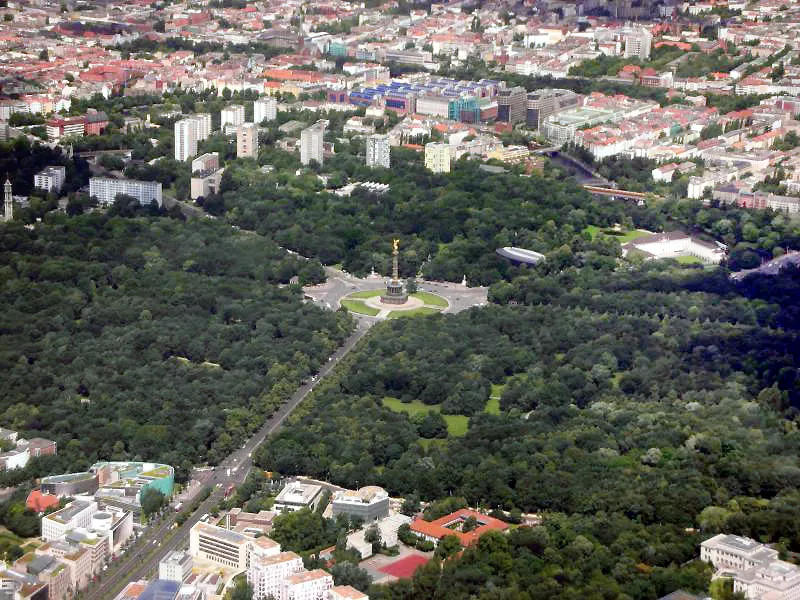
Großer Tiergarten
Berlin's green lung in the center of the city, with wide lawns, lakes and shady avenues.
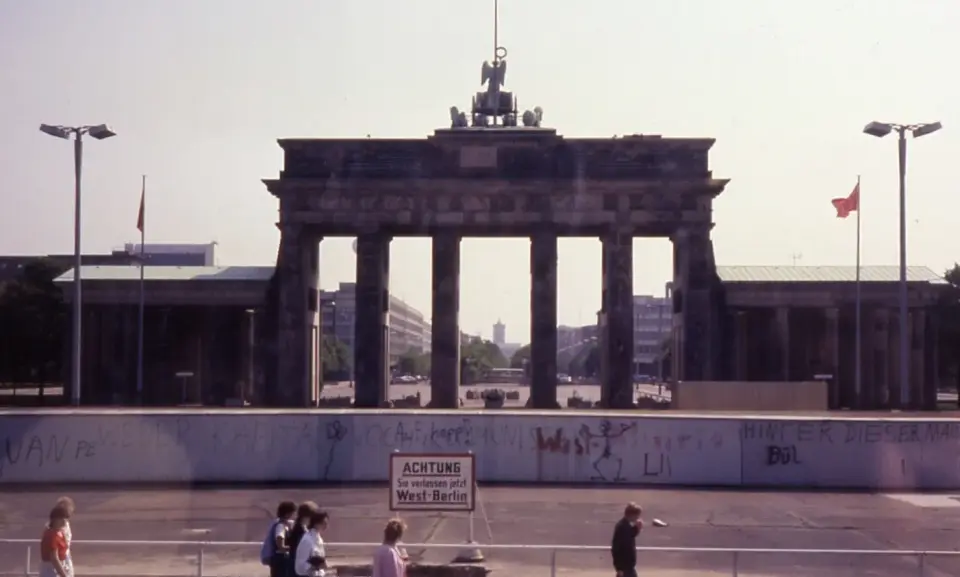
Brandenburg Gate
Berlin's most famous landmark on Pariser Platz, transformed from a symbol of division into a symbol of unity.
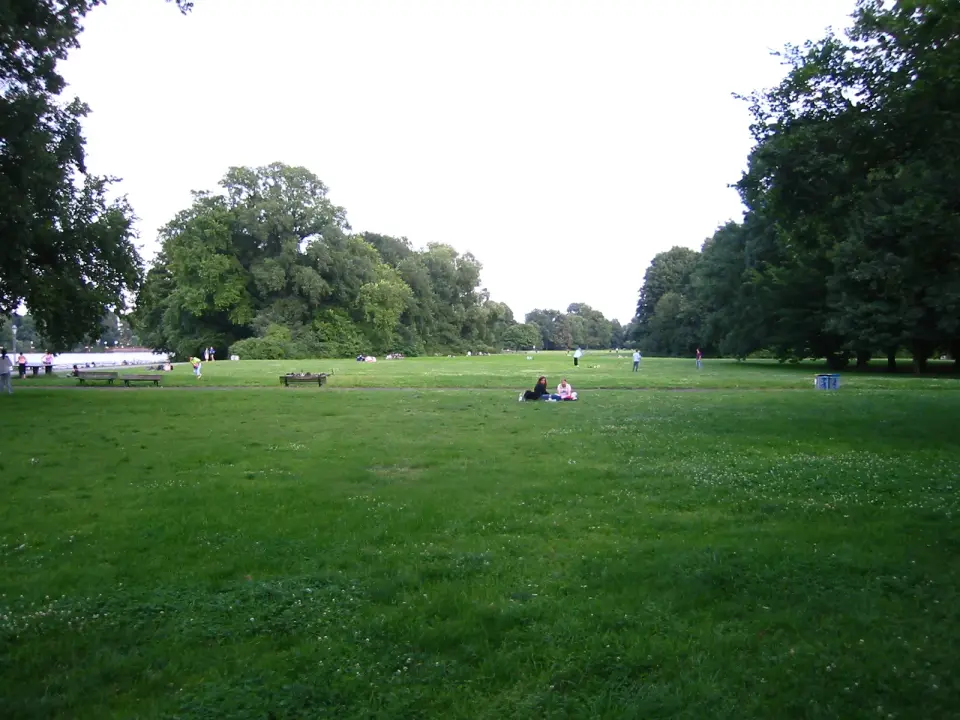
Treptower Park
An expansive park on the Spree with the monumental Soviet War Memorial.
More in Mitte
More attractions in Mitte
Other highlights in the same district that pair well with a visit to Soviet War Memorial (Tiergarten).
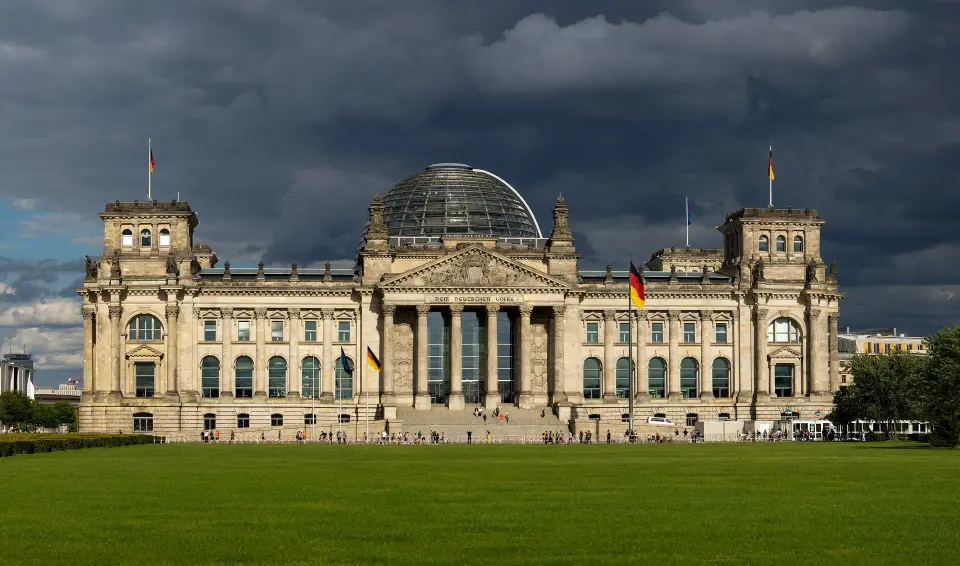
Reichstag Building
Seat of the German Bundestag, with a walk-up glass dome by Norman Foster and views over the government quarter.
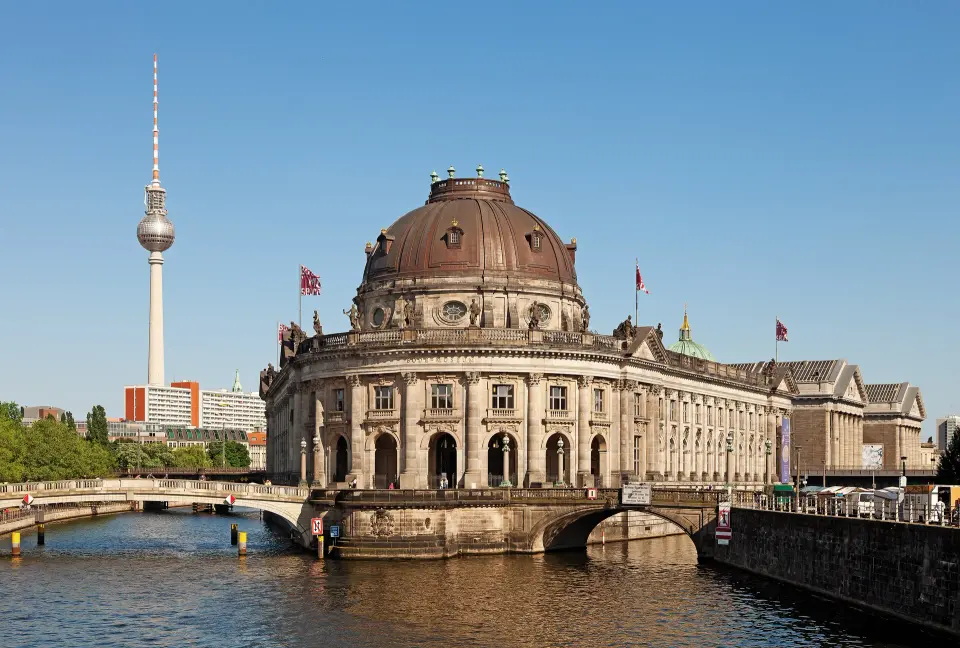
Museum Island
Five world-famous museums on an island in the Spree, a UNESCO World Heritage Site since 1999.
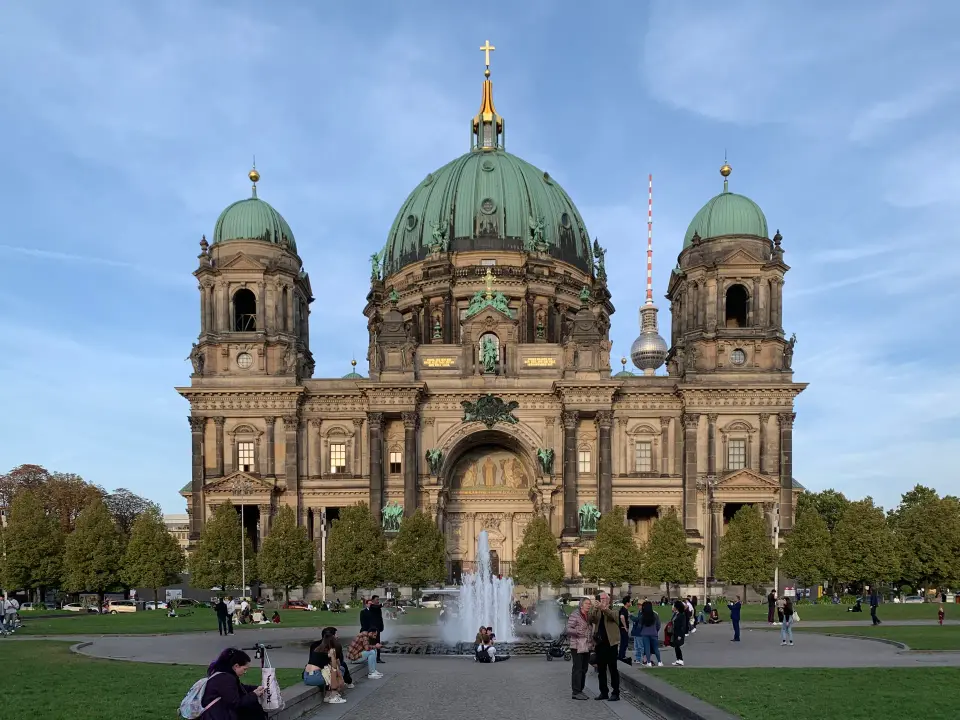
Berlin Cathedral
A monumental Protestant church on the Lustgarten with a walk-up dome and views over Museum Island.
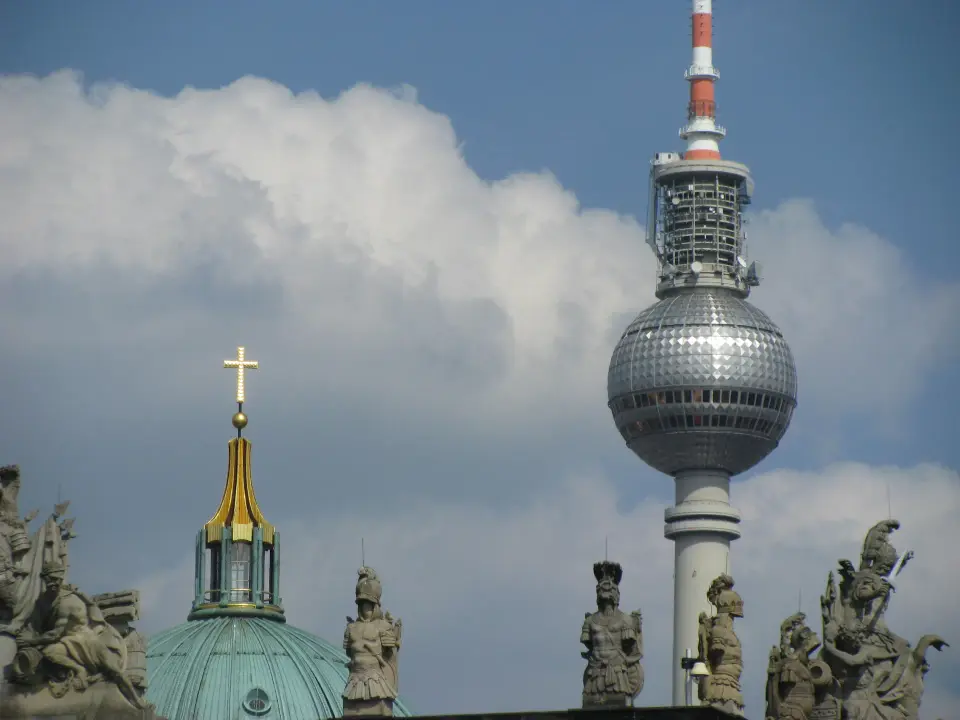
Berlin TV Tower
At 368 meters the tallest structure in Germany, with an observation deck and a revolving restaurant.
Stay in the neighborhood
Find hotels in Mitte
Planning a visit to Soviet War Memorial (Tiergarten)? Here you'll find places to stay in the Mitte district.