Architecture · History · Leisure
Olympic Stadium
The stadium of the 1936 Olympic Games, rebuilt for the 2006 World Cup, home of Hertha BSC and stage for major finals.
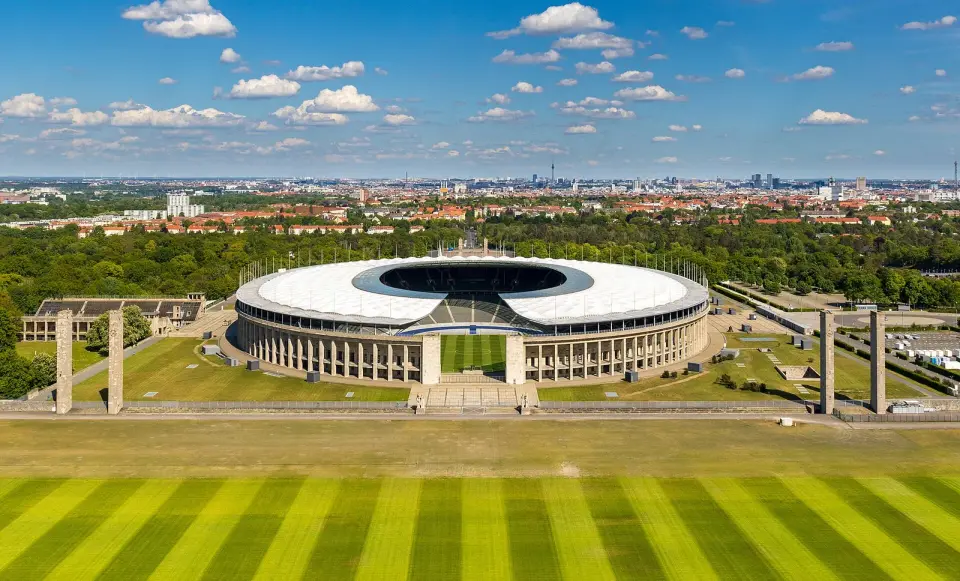
The Olympiastadion in Westend is one of the few major buildings from the Nazi era that are still in full use today. The architect Werner March built it from 1934 to 1936 for the Summer Olympics as the core of the so-called Reichssportfeld (Reich Sports Field). The regime used the Games to present itself to the world as open and modern. But they are also remembered for the American track and field athlete Jesse Owens, who won four gold medals here.
The architecture follows the model of an ancient arena. Half of the stands are sunk into the ground, so from outside the building looks lower than it is. Pillars of Franconian shell limestone ring the oval. To the west, the Marathon Gate opens onto the Maifeld, an enormous parade ground overlooked by the bell tower. In its base, the Langemarck Hall recalls how the Nazis exploited the memory of World War I, and an exhibition there puts the history of the entire site in context.
After the war, the British armed forces used parts of the grounds as their headquarters. For the 2006 soccer World Cup, the stadium was thoroughly renovated between 2000 and 2004 while it stayed in use. The Hamburg firm von Gerkan, Marg und Partner added a light membrane roof that leaves the historic structure largely exposed, and lowered the playing field. Since then the stadium has held about 74,000 spectators. The blue running track is a nod to Hertha BSC, who play their home games here.
Every year the Olympiastadion hosts the final of the DFB-Pokal (German Cup), and it has also staged the 2006 World Cup final, the 2015 Champions League final and the final of the 2024 European Championship. On days without events you can tour the grounds, either on your own or on a guided tour that also takes you into areas like the players' locker rooms. The stadium has its own S-Bahn station (S3, S9), and the Olympia-Stadion U-Bahn station on the U2 is about ten minutes away.
From racetrack grounds to Reichssportfeld
Sport was played on this site in Westend well before 1933. From 1909 a horse racetrack stood here, and inside its oval Otto March, the father of Werner March, built the Deutsches Stadion for the 1916 Olympic Games, which were canceled because of World War I. When Berlin was awarded the 1936 Games in 1931, the plan at first was simply to remodel the old stadium. After the Nazis came to power, Hitler pushed through a much larger new building, set within a complete complex with the Maifeld parade ground, the bell tower, a swimming stadium, a hockey stadium and an open-air stage, today’s Waldbühne.
The buildings followed the regime’s aesthetic: monumental axes, natural stone, sculptures of athletic bodies. Many of these figures still stand on the grounds. They were not removed after the war; instead they now carry information panels that explain the context in which they were made. The Geschichtsort Olympiagelände (Olympic Grounds history trail) documents how the site has been used from the German Empire to the present at numerous outdoor stations.
When the stadium was rebuilt for the 2006 World Cup, preserving the historic monument took priority. The architects kept the stone shell, replaced the stands and covered the tiers with a roof that rests on slender supports and deliberately leaves the Marathon Gate open. That keeps the sightline from inside the stadium to the bell tower intact.
What you see on a visit
- The stadium bowl: From the stands you look out over the pitch, the blue running track and the membrane roof. What impresses most is the sheer size, which television barely conveys.
- The Marathon Gate: The opening on the west side with the fire bowl in which the Olympic flame burned in 1936. The names of the 1936 Olympic champions are carved into the walls of the gate.
- The interior areas: Guided tours take you into the locker rooms, press rooms and VIP areas. These parts are not open on a self-guided visit.
- The bell tower: It stands outside the stadium on the western edge of the Maifeld. An elevator takes you up to the viewing platform, from which you can see across the Olympic grounds and the Grunewald forest and, on clear days, all the way downtown. The tower has its own opening hours.
Planning your visit
The visitor entrance is usually at the East Gate, which you reach in a few minutes from the Olympiastadion S-Bahn station. From the Olympia-Stadion U-Bahn station (U2), Olympische Straße leads straight to Olympischer Platz in front of the East Gate. On Hertha BSC match days and during concerts, the stadium is closed to visitors or only partly accessible. Check the event calendar on the official website before you set off.
An hour is enough for a self-guided visit. A guided tour takes about as long but is far more informative. The bell tower is easy to add on, about a ten-minute walk away.
Tips
- If you want to see a match, travel by S-Bahn or U-Bahn and leave early. Trains toward the stadium are very full before kickoff.
- In summer, consider combining your visit with a concert at the neighboring Waldbühne.
- Bring a jacket on cool days. The open stands are drafty.
Nearby
About three kilometers (two miles) to the south is the Teufelsberg, which you can reach through the Grunewald. On the U2 you are in Charlottenburg in about ten minutes; get off at Sophie-Charlotte-Platz and walk a little farther to Charlottenburg Palace. Farther toward the center, you reach the Kaiser Wilhelm Memorial Church and the Kurfürstendamm. You will find more about the west of the city on our page about Charlottenburg.
Frequently asked
What to know about Olympic Stadium
Can you tour the Olympic Stadium?
Yes, on days without events. You can visit on your own or join a guided tour that also shows the locker rooms and interior areas. Restrictions apply on match and concert days, so check olympiastadion.berlin beforehand.
How do I get to the Olympic Stadium?
Take the S-Bahn (S3 or S9) to Olympiastadion or the U2 to Olympia-Stadion. It is a few minutes' walk from the S-Bahn station and about ten minutes from the U-Bahn station.
How many spectators does the Olympic Stadium hold?
Since the renovation for the 2006 World Cup, the stadium holds about 74,000 spectators for soccer matches.
Nearby & related
Pairs well with this
More attractions that combine nicely with a visit to Olympic Stadium.
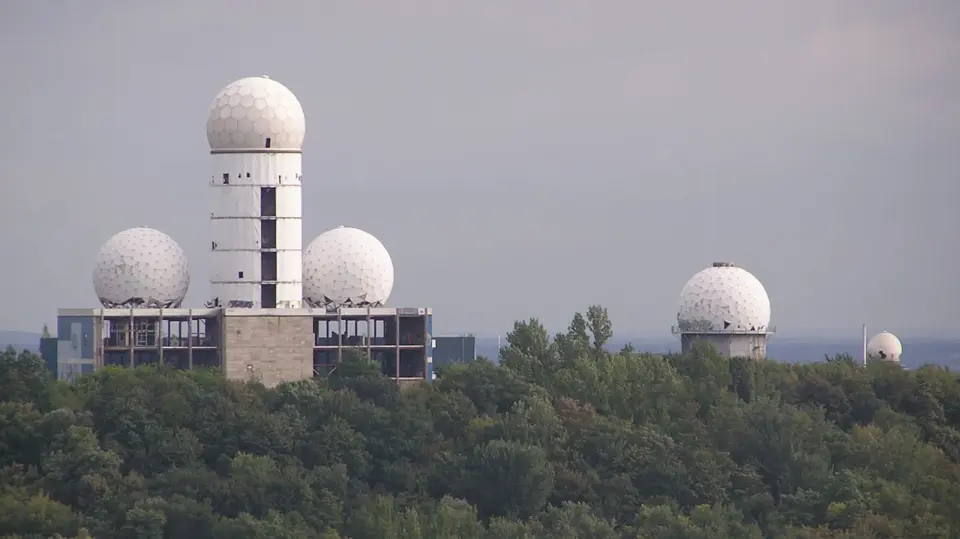
Teufelsberg
A rubble hill in the Grunewald forest topped by the Western Allies' decaying listening station, now a street art gallery and viewpoint.
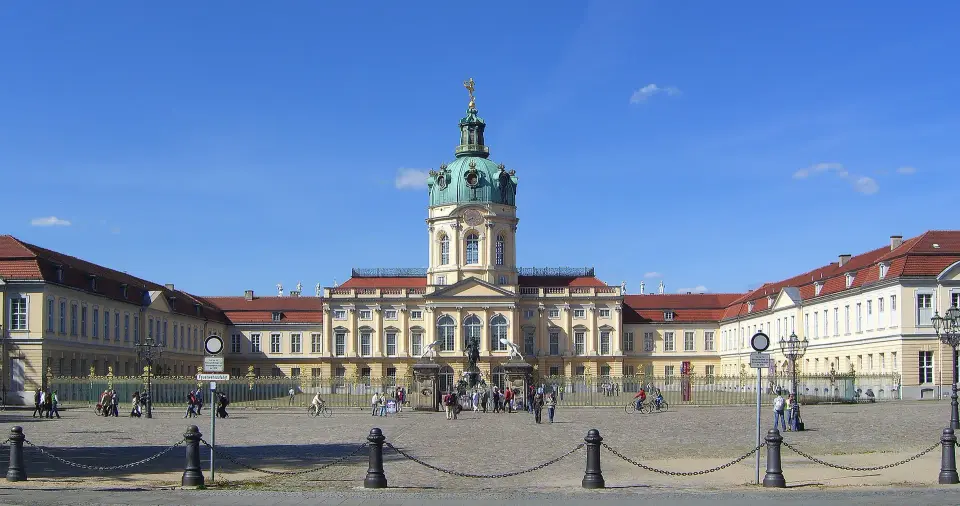
Charlottenburg Palace
Berlin's largest surviving palace, with Baroque splendor and expansive palace gardens.
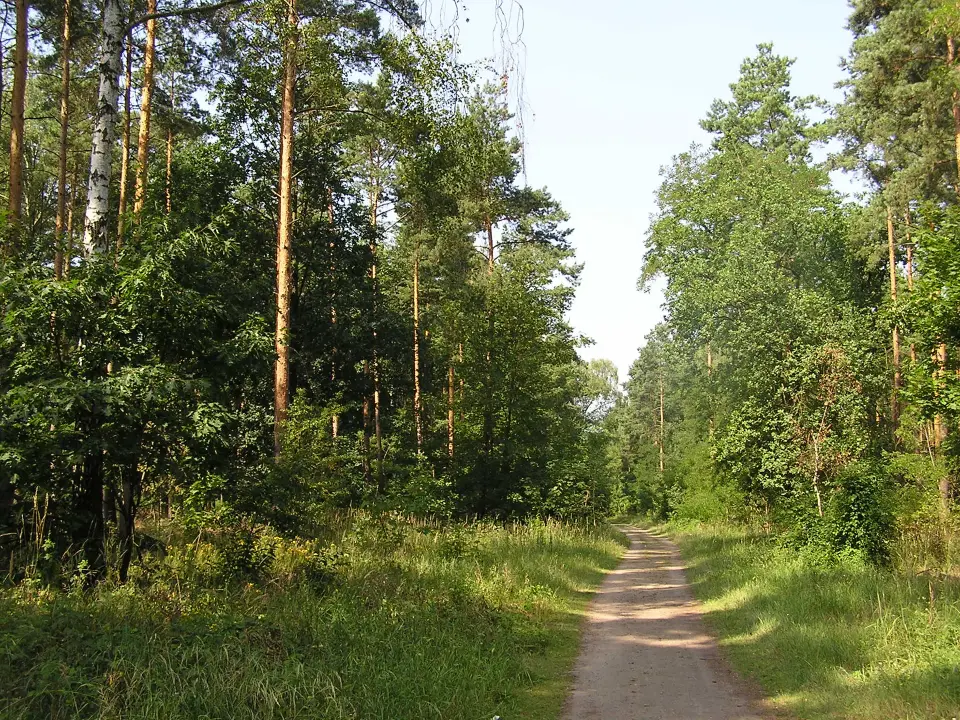
Grunewald Forest
The roughly 3,000-hectare forest in Berlin's west, with lakes, a lookout tower and a hunting lodge, is the city's green recreation heart.