History · Architecture · Memorial
Neue Wache
Schinkel's neoclassical guardhouse on Unter den Linden is today Germany's central memorial to the victims of war and tyranny.
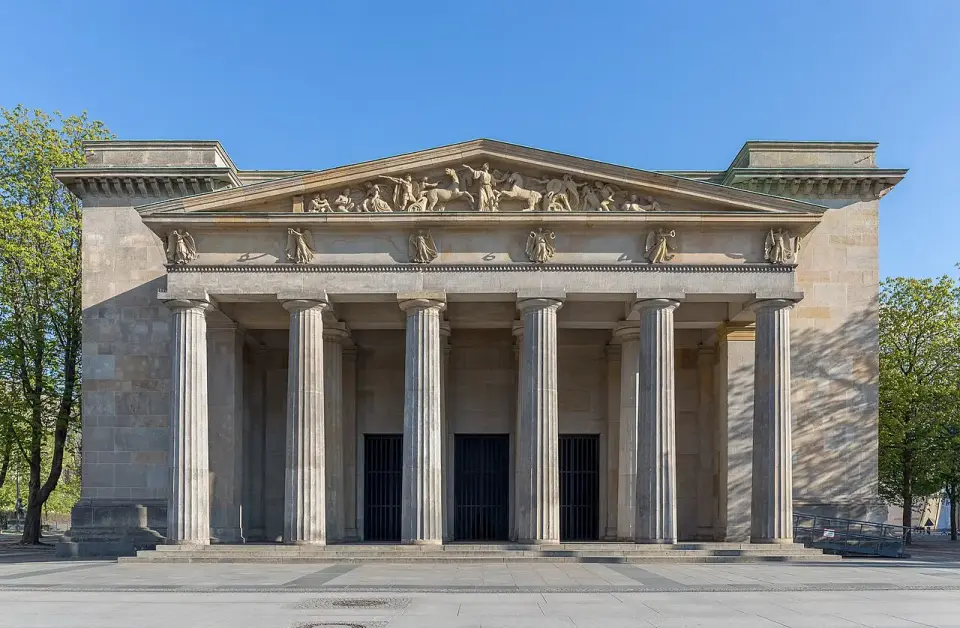
The Neue Wache stands at Unter den Linden 4, in the middle of the Forum Fridericianum, the grand ensemble of buildings between Humboldt University, the State Opera and the old arsenal. Karl Friedrich Schinkel built it from 1816 to 1818 in the neoclassical style, originally as a guardhouse for the royal palace next door. Its severe temple front with Doric columns counts among Schinkel's most important early works and still shapes the look of the boulevard.
The building has served as a memorial since 1931. It burned out in World War II and was rebuilt between 1951 and 1957. After reunification, the Federal Republic turned the interior in 1993 into the country's central memorial to the victims of war and tyranny. In the middle of the bare room, open to the sky through an oval in the ceiling, stands an enlarged copy of Käthe Kollwitz's sculpture "Mother with her Dead Son," on which rain, snow and daylight fall through the opening.
A visit usually takes only a few minutes, but it stays with you. The plain interior with its single pietà feels unusually concentrated and quiet in the middle of a busy downtown. It fits naturally into a walk along Unter den Linden, past Bebelplatz, the State Opera and Museum Island. If you go inside, take a moment with the inscription at the entrance and the sculpture itself.
One building, four meanings
Few buildings in Berlin have changed their role as often as the Neue Wache, and each phase reflects how Germany has dealt with war and remembrance.
Royal guardhouse (1818 to 1918): Schinkel designed a guardhouse for the soldiers protecting the king’s palace across the street. Its shape recalls a Roman military camp with corner towers, fronted by the portico of columns. The marble statues of the Prussian generals Scharnhorst and Bülow, heroes of the Wars of Liberation against Napoleon, stood beside the building at the time. Today they stand opposite, on Unter den Linden.
Memorial to the fallen of World War I (from 1931): The architect Heinrich Tessenow redesigned the interior as a plain memorial. In the center stood a black granite block with a silver oak wreath, beneath the round skylight that survives to this day. In the Nazi era the room was used for military ceremonies.
Memorial to the victims of fascism and militarism (1960 to 1990): East Germany rebuilt the war-damaged building and made it a memorial. From 1969 an eternal flame burned inside in a glass prism, above the urns of an unknown soldier and an unknown resistance fighter. Out front, a guard of the Nationale Volksarmee (the GDR’s army) was regularly posted, and the goose-stepping changing of the guard drew visitors from East and West alike.
Central memorial of the Federal Republic (since 1993): At the urging of Chancellor Helmut Kohl, the Neue Wache was redesigned after reunification. The choice of the Kollwitz sculpture and the dedication to all “victims of war and tyranny” set off a long debate. Critics objected that it made no distinction between perpetrators and victims, and that a Christian pietà could not stand for all victims, the murdered Jews among them. In response, a bronze plaque was installed at the entrance that names the groups of victims explicitly.
What you see inside
Apart from the sculpture, the room is empty. The figure, a mother holding her dead son in her lap, is an enlarged replica made by the sculptor Harald Haacke after the small sculpture by Käthe Kollwitz. Kollwitz had lost her own son Peter in World War I. The figure sits exposed beneath the opening in the ceiling, so rain and snow fall directly onto it. An inscription is set into the floor in front of it. Before you leave, read the plaques at the entrance too, which explain the dedication of the site.
Planning your visit
- Opening hours: Daily 10 am to 6 pm, free admission (as of October 2026). The Deutsches Historisches Museum manages the building, and different rules may apply on public holidays or during state ceremonies.
- Getting there: Take the U5 to Unter den Linden or Museumsinsel, each a few minutes’ walk away. Bus lines 100 and 300 stop nearby on Unter den Linden.
- Time needed: 15 to 30 minutes.
How to behave
The Neue Wache is a memorial, not a photo studio. A set of visitor rules governs behavior inside. Keep your voice down, don’t eat or drink in the building, and keep your distance from the sculpture. During wreath-laying ceremonies, for example on Volkstrauertag (the national day of mourning) in November, access is restricted at times.
Nearby
Right next door are the German Historical Museum and Humboldt University. Opposite, on Bebelplatz, stands the Berlin State Opera. Cross the Schlossbrücke bridge to reach Museum Island and Berlin Cathedral. For more on the surroundings, read our guide to Mitte.
Frequently asked
What to know about Neue Wache
What is the Neue Wache today?
Since 1993 it has been the central memorial of the Federal Republic of Germany to the victims of war and tyranny. Inside stands an enlarged copy of Käthe Kollwitz's sculpture "Mother with her Dead Son."
Who built the Neue Wache?
The architect Karl Friedrich Schinkel built it from 1816 to 1818 in the neoclassical style, originally as a guardhouse for the neighboring royal palace.
Can you go inside the Neue Wache?
Yes, the interior with the pietà is freely accessible. A visit usually takes just a few minutes and combines easily with a walk along Unter den Linden.
Nearby & related
Pairs well with this
More attractions that combine nicely with a visit to Neue Wache.
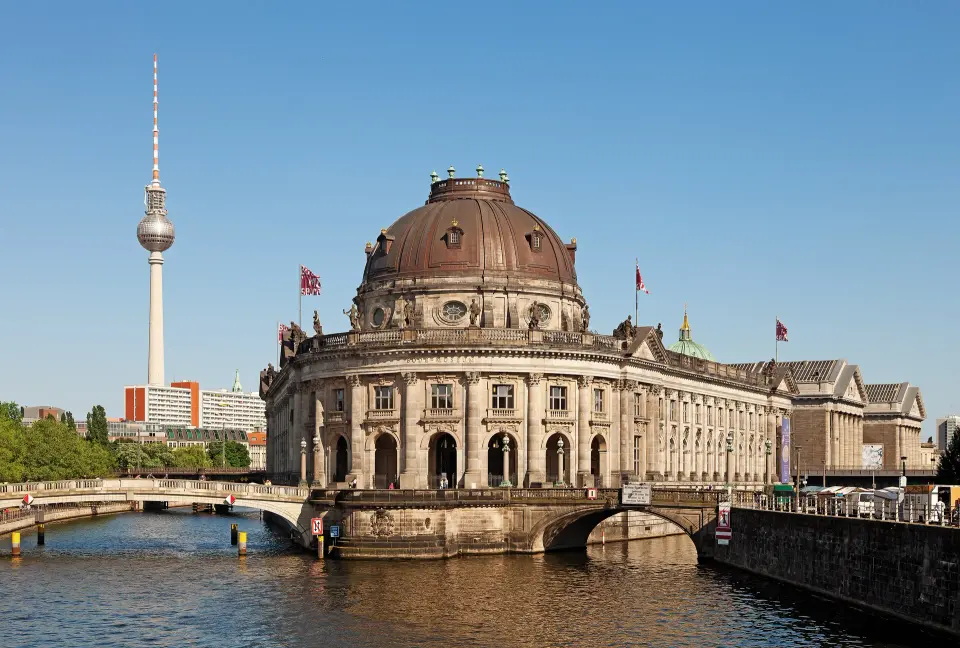
Museum Island
Five world-famous museums on an island in the Spree, a UNESCO World Heritage Site since 1999.
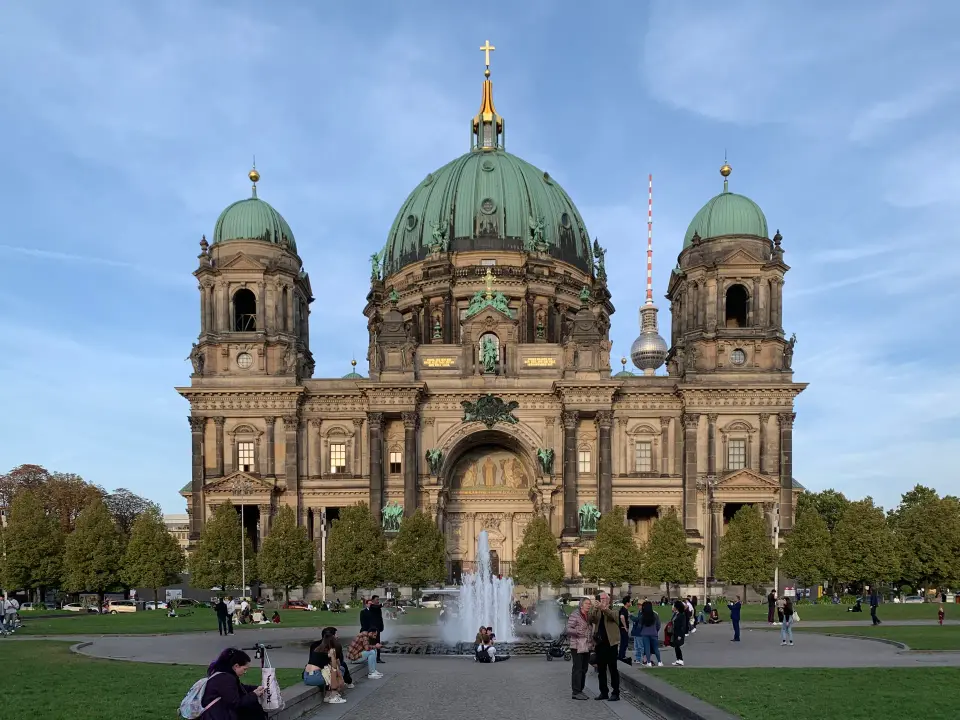
Berlin Cathedral
A monumental Protestant church on the Lustgarten with a walk-up dome and views over Museum Island.
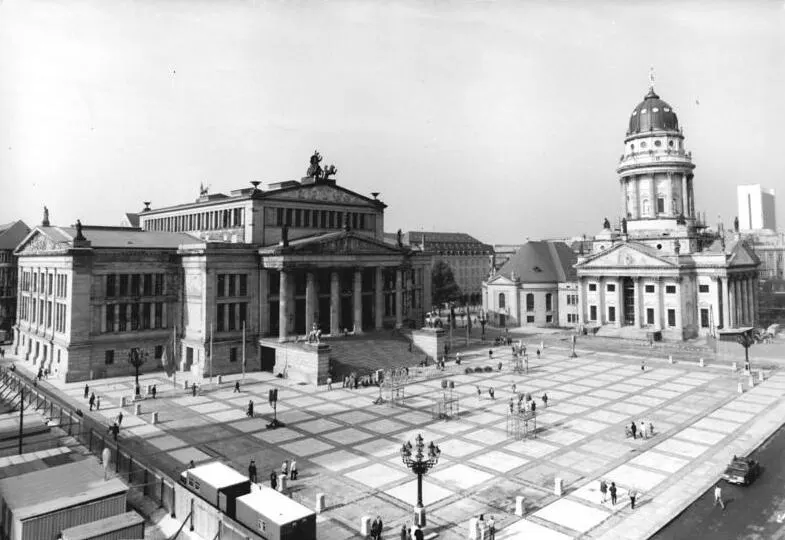
Gendarmenmarkt
One of the most beautiful squares in Berlin, with the Konzerthaus and the German and French cathedrals.
More in Mitte
More attractions in Mitte
Other highlights in the same district that pair well with a visit to Neue Wache.
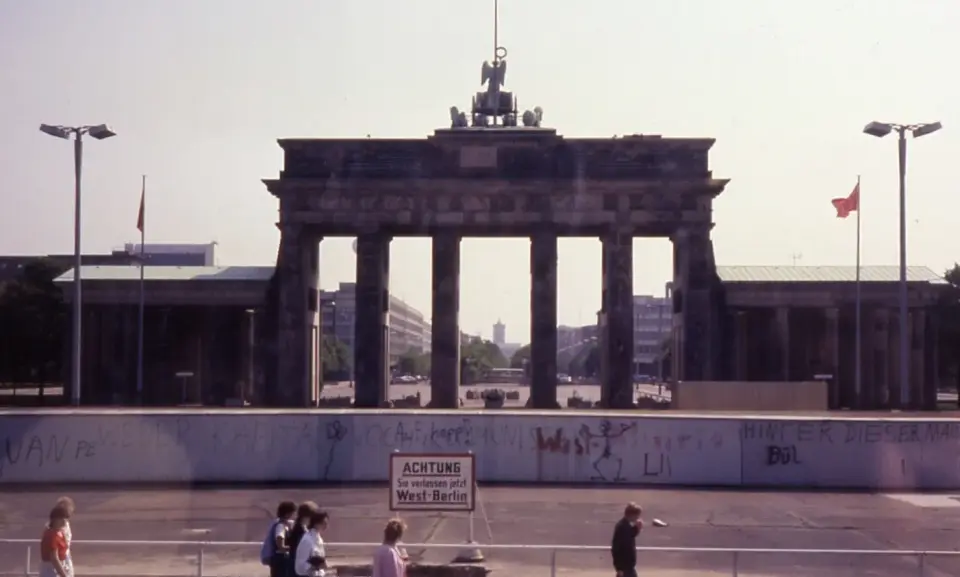
Brandenburg Gate
Berlin's most famous landmark on Pariser Platz, transformed from a symbol of division into a symbol of unity.
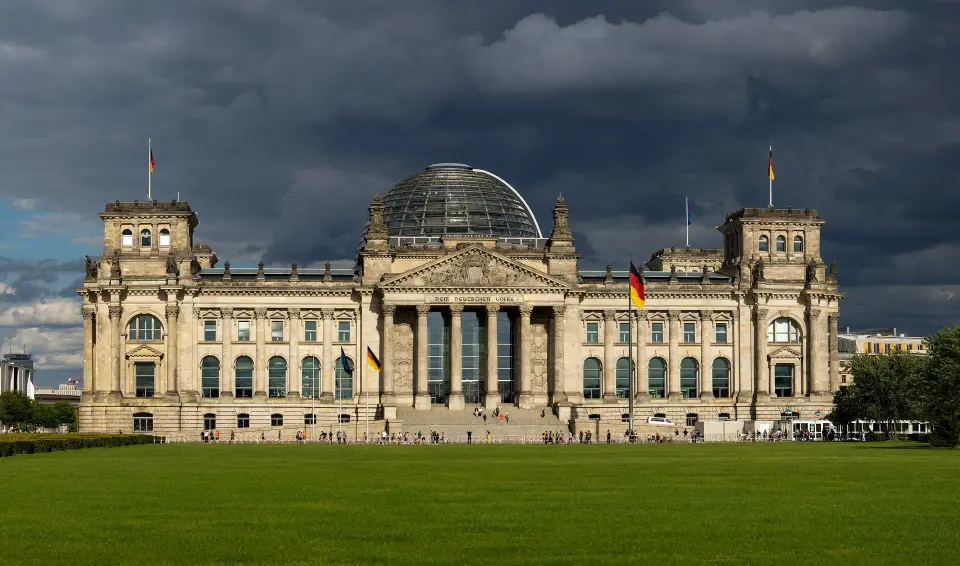
Reichstag Building
Seat of the German Bundestag, with a walk-up glass dome by Norman Foster and views over the government quarter.
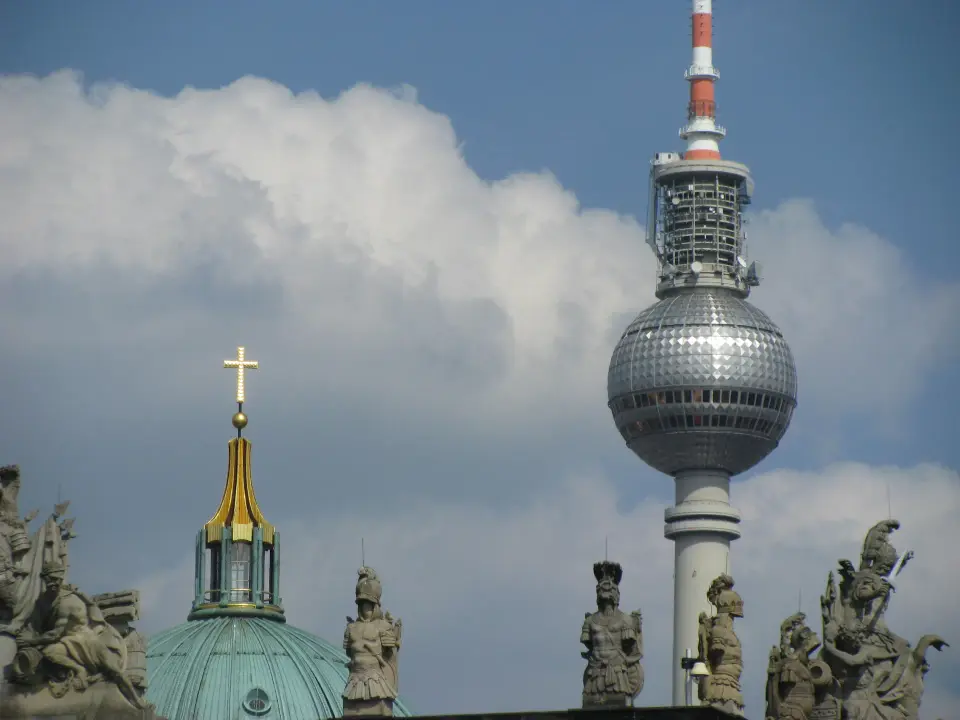
Berlin TV Tower
At 368 meters the tallest structure in Germany, with an observation deck and a revolving restaurant.
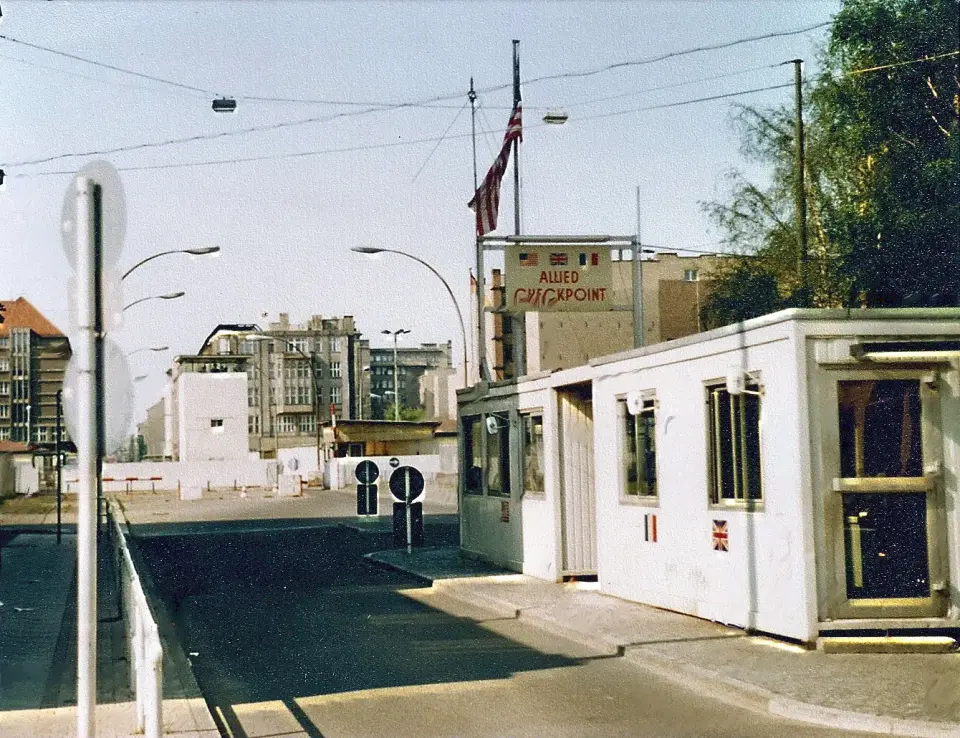
Checkpoint Charlie
The former border crossing between East and West, today a symbol of the Cold War.
Stay in the neighborhood
Find hotels in Mitte
Planning a visit to Neue Wache? Here you'll find places to stay in the Mitte district.
Tours & tickets around Neue Wache
Guided walks, skip-the-line tickets and experiences around Neue Wache. A curated selection from GetYourGuide, bookable directly.
* Tours & tickets from GetYourGuide. If you book through the markers we earn a small commission at no extra cost to you.