Museum · History · Architecture
German Historical Museum
Germany's national museum of its own history, housed in the Baroque Zeughaus and the modern Pei building on Unter den Linden.
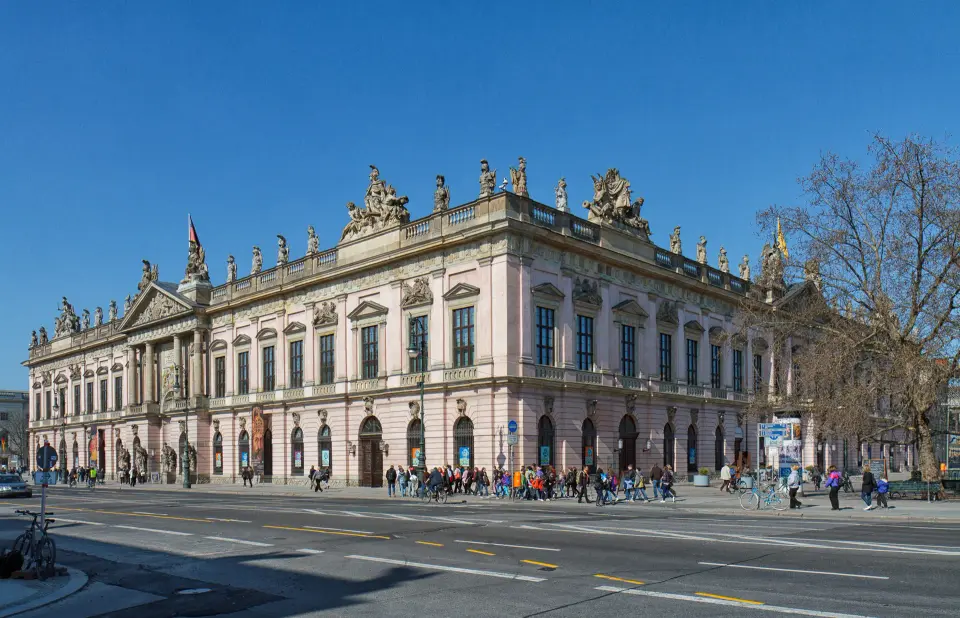
The Deutsches Historisches Museum (DHM) is Germany's national museum of its own history, right in the historic center of Berlin on the grand boulevard Unter den Linden. Its main building is the Zeughaus, the old arsenal begun in 1695 partly to designs by Andreas Schlüter, making it the oldest surviving building on the street. The museum itself was founded on October 28, 1987 for Berlin's 750th anniversary, and it has been run as a public foundation since 2008.
Directly behind the Zeughaus stands the glass annex designed by the world-famous architect Ieoh Ming Pei and completed in 2003. Across four floors and roughly 29,000 square feet (2,700 square meters), the Pei building hosts rotating special exhibitions devoted to major themes and figures in German and European history. The annex's sweeping glass staircase has become a landmark of modern Berlin architecture in its own right and is worth seeing on its own.
One thing to know before you plan: the Baroque Zeughaus, with the large permanent exhibition "German History in Images and Artifacts," has been closed since June 2021 for a comprehensive renovation, and as of 2026 no reopening date had been announced. The Pei building with its temporary exhibitions is open and running normally. Check the official website to see which exhibitions are on, and budget roughly two to three hours depending on the program.
The Zeughaus: from arsenal to history museum
The Zeughaus was originally exactly what its name says: an arsenal for the cannons, muskets and war trophies of the Brandenburg-Prussian state. It was later converted into a hall of fame for the Prussian army. Its best-known feature is the inner courtyard, the Schlüterhof, with Andreas Schlüter’s 22 masks of dying warriors. The heads show no triumphant heroes but faces in their death throes, a strikingly graphic motif for a military building.
After the Second World War, East Germany used the rebuilt building for its Museum für Deutsche Geschichte (Museum of German History). After reunification, the Deutsches Historisches Museum, founded in West Berlin in 1987, took over the building and its collections. The result is an institution whose holdings range from medieval armor and broadsheets and posters to everyday objects from both German states.
Where the renovation stands
The Zeughaus remains closed. While the building work continues, the museum is developing a new permanent exhibition. The original target of completion at the end of 2025 is long gone, and the museum’s management has publicly doubted whether the building can reopen before the early 2030s (as of October 2026). There is no firm date. If you’re traveling specifically for the big permanent exhibition, be aware that it can’t be seen at the moment.
What to expect in the Pei building
Exhibitions are running in the Pei building, which has its own entrance on the street Hinter dem Gießhaus. The shows change several times a year and are usually large in scale, with many original objects from the museum’s own collection plus loans. Pay attention to the architecture as you walk around: the glass stair tower, the way light is handled and the narrow glimpses of the Zeughaus are part of the experience. Pei worked a lot with natural light, so the rooms feel quite different on a sunny day than under a gray sky.
The museum also runs the Zeughauskino, a cinema showing film series on historical and social themes. Whether it is screening during the building work is listed in the program on the website.
Planning your visit
- Getting there: U5 to Museumsinsel, from where it’s just a few steps. Alternatively, take the U5 to Unter den Linden or the S-Bahn to Hackescher Markt or Friedrichstraße, then walk about ten minutes.
- How long: A large special exhibition usually takes two to three hours. Smaller cabinet shows can be done in an hour.
- Tickets and hours: Prices and opening times depend on the current program. Check them directly on dhm.de before you go.
- Best time: Weekday mornings are quieter than weekends. In the first days after an opening the rooms are often packed.
Tips and common mistakes
A common misunderstanding: many visitors stand in front of the wrapped or scaffolded Zeughaus and turn away, thinking the whole museum is closed. The entrance to the Pei building is at the back, on the side facing the Kupfergraben canal. If you’re coming with children, check in advance whether the current exhibition has a family program, since not every subject suits younger visitors.
It’s worth combining the visit with the neighboring Neue Wache, which the Deutsches Historisches Museum also looks after. The memorial is free to enter and stands right next to the Zeughaus.
Nearby
Immediately next door are the Neue Wache and Humboldt University, with the Berlin State Opera across the street. Over the Schlossbrücke bridge you reach Museum Island and Berlin Cathedral in a few minutes. The Gendarmenmarkt is about a ten-minute walk. For more on the area, see our guide to Mitte.
Frequently asked
What to know about German Historical Museum
Is the German Historical Museum open?
The modern Pei building with its temporary exhibitions is open as usual. The Baroque Zeughaus with the large permanent exhibition has been closed for renovation since June 2021, with no firm reopening date announced. Check the official website for the current program.
What can I see at the German Historical Museum?
Right now the museum shows major special exhibitions in the Pei building on themes and figures from German and European history. The permanent exhibition "German History in Images and Artifacts" in the Zeughaus is closed during the renovation.
Where is the German Historical Museum?
It sits in Berlin-Mitte on Unter den Linden, a short walk from Museum Island, Berlin Cathedral and Gendarmenmarkt, and fits easily into a walk through the historic center.
Nearby & related
Pairs well with this
More attractions that combine nicely with a visit to German Historical Museum.
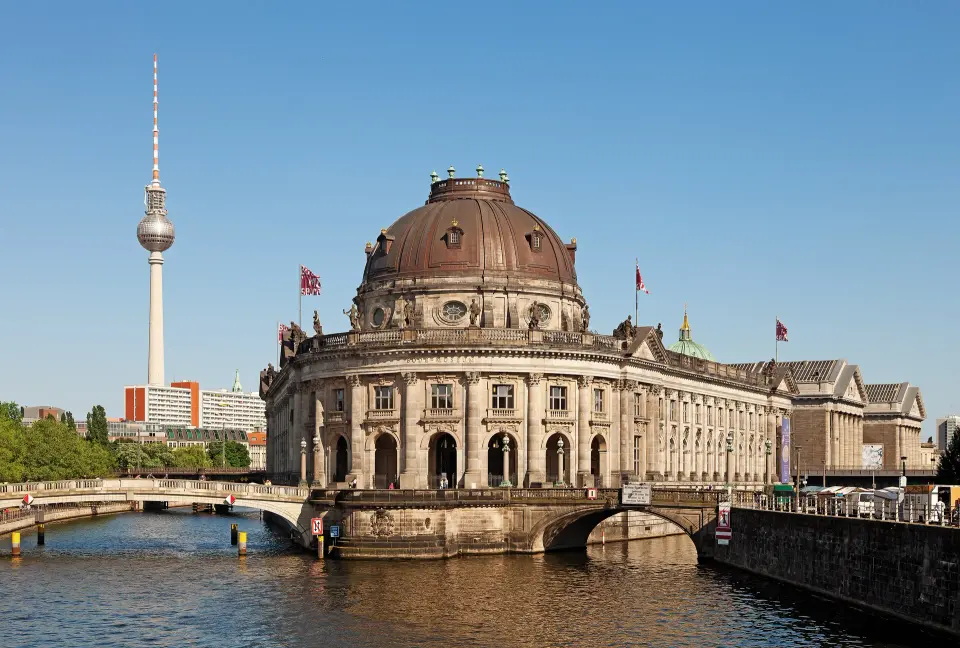
Museum Island
Five world-famous museums on an island in the Spree, a UNESCO World Heritage Site since 1999.
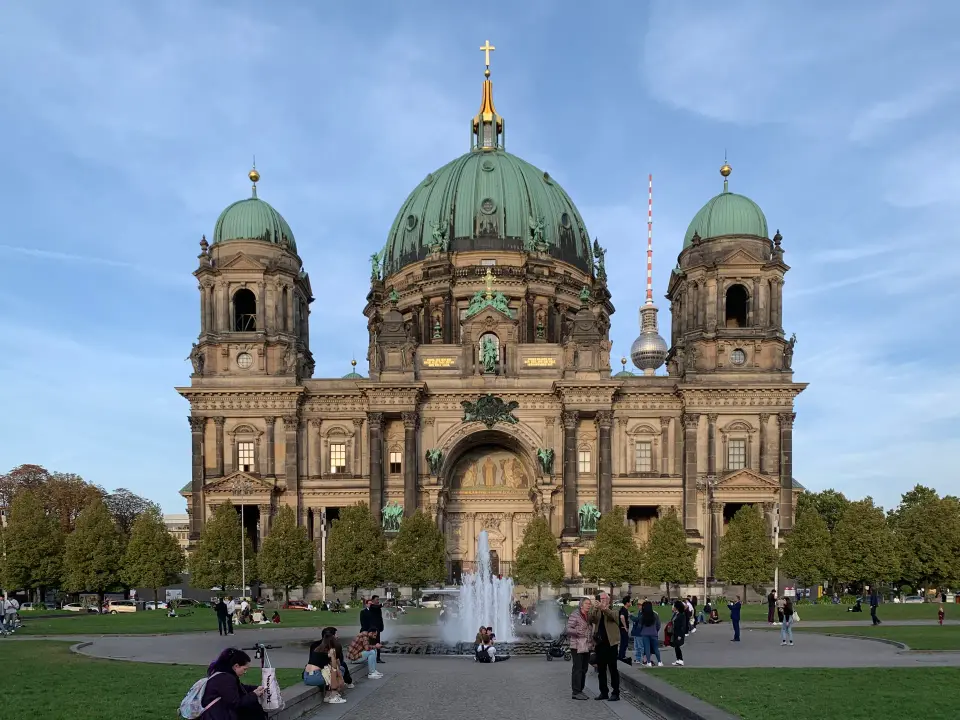
Berlin Cathedral
A monumental Protestant church on the Lustgarten with a walk-up dome and views over Museum Island.
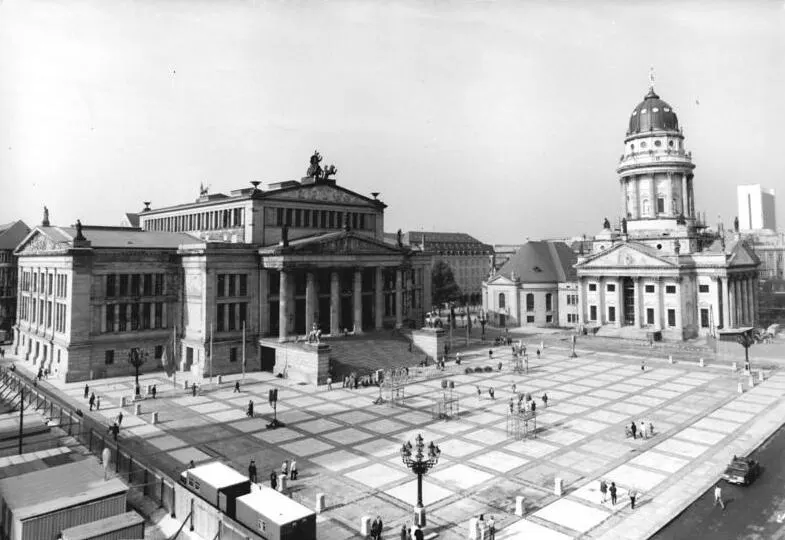
Gendarmenmarkt
One of the most beautiful squares in Berlin, with the Konzerthaus and the German and French cathedrals.
More in Mitte
More attractions in Mitte
Other highlights in the same district that pair well with a visit to German Historical Museum.
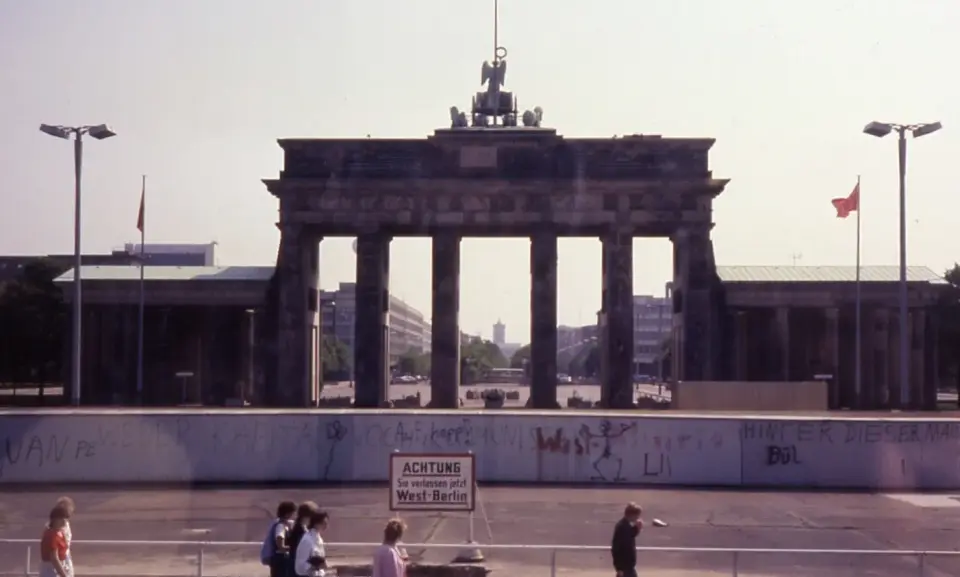
Brandenburg Gate
Berlin's most famous landmark on Pariser Platz, transformed from a symbol of division into a symbol of unity.
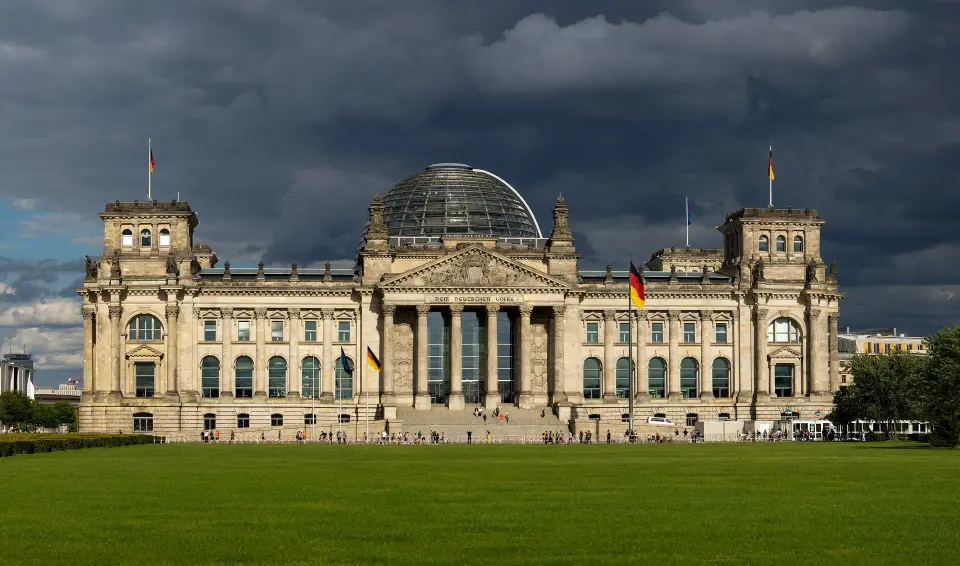
Reichstag Building
Seat of the German Bundestag, with a walk-up glass dome by Norman Foster and views over the government quarter.
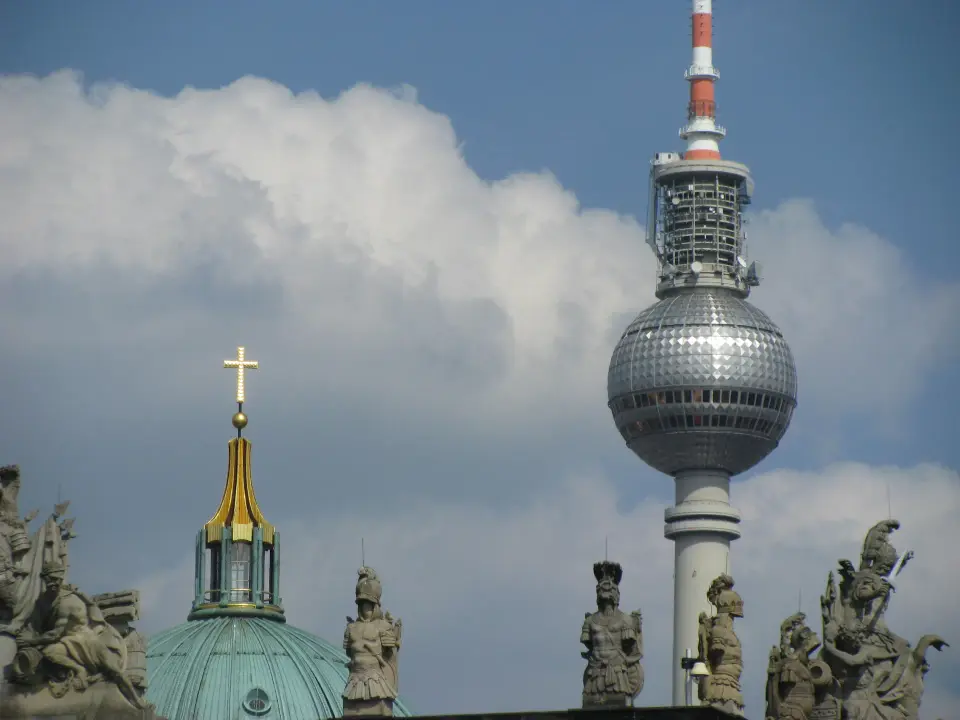
Berlin TV Tower
At 368 meters the tallest structure in Germany, with an observation deck and a revolving restaurant.
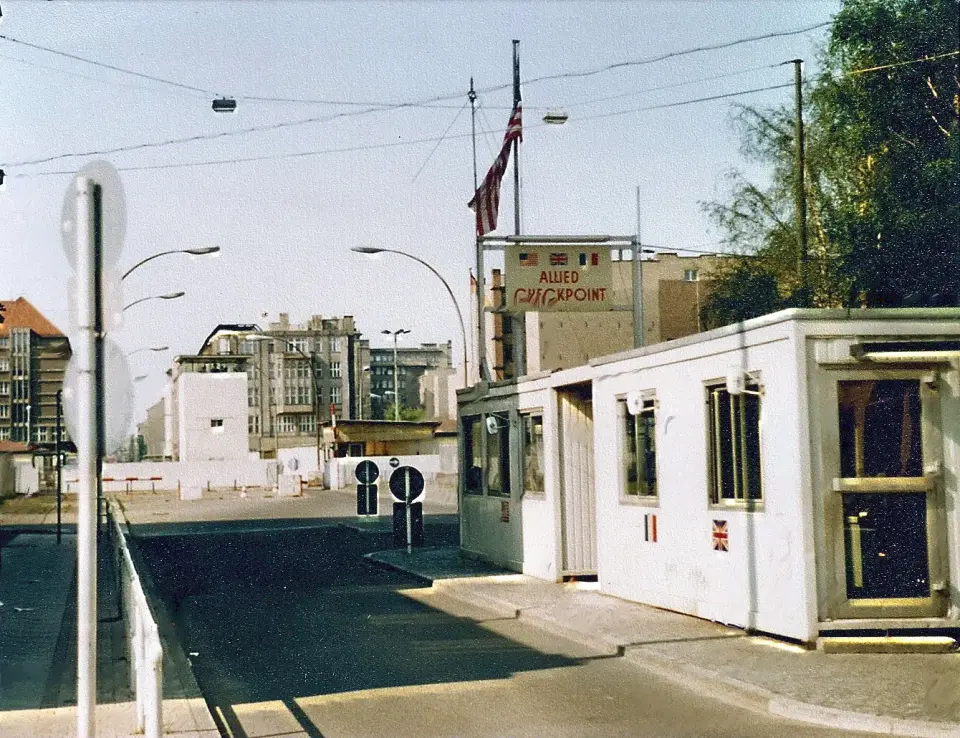
Checkpoint Charlie
The former border crossing between East and West, today a symbol of the Cold War.
Stay in the neighborhood
Find hotels in Mitte
Planning a visit to German Historical Museum? Here you'll find places to stay in the Mitte district.
Tours & tickets around German Historical Museum
Guided walks, skip-the-line tickets and experiences around German Historical Museum. A curated selection from GetYourGuide, bookable directly.
* Tours & tickets from GetYourGuide. If you book through the markers we earn a small commission at no extra cost to you.